

Enhancing your outdoor living area with a fire pit can create a warm, inviting atmosphere while adding a functional design element. However, selecting between a portable fire pit and a heavier, more permanent gas fire pit can be a challenge. Each option comes with distinct advantages, and the right choice depends on your lifestyle, available space, and long-term vision for your outdoor area.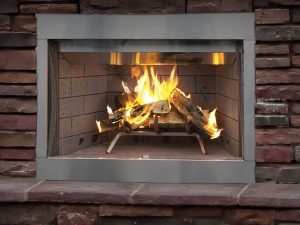
Understanding Portable Fire Pits
A portable fire pit is defined by its lightweight construction, typically weighing under 75 pounds, making it easy to move and reposition. These fire pits are ideal for homeowners or renters who prioritize flexibility, enjoy outdoor adventures like camping or tailgating, or have limited space that requires occasional rearrangement. Portable fire pits are often made from materials like stainless steel or cast iron and are available in both wood-burning and gas-powered options.
The benefits of portable fire pits include their cost-effectiveness, ease of setup, and versatility. They are a budget-friendly option that doesn’t require professional installation, making them a great choice for those looking for immediate use. Their mobility also makes them suitable for different outdoor activities beyond home use. However, they do have some drawbacks. Due to their lightweight nature, portable fire pits may lack durability and aesthetic integration compared to heavier models. They are also more susceptible to wear from outdoor elements and can be less stable on uneven surfaces.
The Appeal of Heavier Gas Fire Pits
Heavier gas fire pits, often constructed from glass-fiber reinforced concrete (GFRC), are designed to be permanent fixtures in outdoor spaces. These fire pits offer a polished, high-end appearance that can significantly enhance a patio or backyard. Some popular models include the Beton 42″ Round Propane Fire Pit and the Beton 55″ Rectangle Hidden Propane Tank Fire Pit.
One of the most compelling advantages of heavier gas fire pits is their durability. Built from high-quality materials, these fire pits can withstand harsh weather conditions, ensuring longevity. Their aesthetic appeal and customization options make them an excellent choice for homeowners looking to elevate their outdoor space. Additionally, gas fire pits offer fuel efficiency, clean-burning flames, and consistent heat output, providing a controlled ambiance.
Despite these advantages, there are a few challenges to consider. Once installed, heavier fire pits are difficult to move, limiting flexibility in design changes. They also require a higher initial investment, and some may need professional installation, particularly for models connected to a natural gas line. These fire pits also require a dedicated outdoor space, which may not be suitable for smaller patios.
Maintenance and Care Considerations
Both portable and heavier gas fire pits require regular maintenance to ensure longevity and safe operation. Portable fire pits need frequent cleaning to remove ash and debris, as well as protection from the elements using covers or storage options. Rust prevention is essential for metal models, and occasional sealing can extend their lifespan.
Heavier gas fire pits require less maintenance overall but still benefit from regular cleaning to maintain their pristine look. Using a protective cover can prevent debris accumulation and weather damage. It is also advisable to schedule an annual inspection of gas lines and connections to ensure safe operation.
Making the Right Choice
Several factors should influence your decision when selecting a fire pit. Your budget plays a crucial role in determining whether a portable or permanent option is more feasible. The size of your outdoor space and how much area you are willing to dedicate to a fire pit should also be considered. If flexibility is important, a portable fire pit may be the better choice. However, if you are looking for a long-term investment that enhances your property’s value, a heavier gas fire pit is a worthy consideration.
Additionally, fuel preference is an important factor. Some homeowners prefer the traditional wood-burning experience, while others appreciate the convenience of gas-powered fire pits. Before making a purchase, it is also advisable to check local fire codes and homeowners’ association regulations to ensure compliance.
Conclusion
Choosing between a portable fire pit and a heavier gas fire pit ultimately depends on your needs and lifestyle. If affordability, mobility, and versatility are your priorities, a portable fire pit is an excellent choice. On the other hand, if you seek a luxurious, long-lasting addition to your outdoor space, a heavier gas fire pit will provide aesthetic and functional benefits for years to come.
No matter which option you choose, a fire pit can serve as the centerpiece of your outdoor gatherings, creating a warm and inviting atmosphere for memorable evenings under the stars.
