

To save time and effort, unfinished fire pit enclosures can be used as a base framework for the project. These prefabricated shells provide a sturdy structure and allow for easy customization with stone, stucco, or veneer. Available in different shapes and sizes, they help reduce construction time and eliminate guesswork in building the fire pit from scratch. For those who prefer a more traditional approach, concrete pavers or bricks can also be used, but proper ventilation must be incorporated into the design.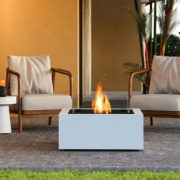
Selecting the Right Gas Burner and Pan
Choosing a high-quality gas burner and pan is essential for achieving an even flame and maximizing heat output. Stainless steel burners are the best option, as they resist rust and corrosion when exposed to outdoor conditions. Burner pans should also have drainage features to prevent water buildup, which can damage the system over time.
Fire pit burner kits can simplify the process by including all necessary components, such as the burner, pan, and ignition system. The size of the burner should match the available gas supply, with smaller burners requiring a ½-inch gas inlet and larger burners over 30 inches needing a ¾-inch inlet. Proper gas pressure and BTU ratings should be considered to ensure an optimal flame height and heat distribution.
Improving Airflow and Ventilation
Proper ventilation is crucial for the safe operation of a gas fire pit. Without sufficient airflow, gas can accumulate within the enclosure, leading to a dangerous buildup of pressure. At least two ventilation openings should be installed near the base of the fire pit to allow fresh air to enter and excess gas to escape.
Additionally, supporting the burner and pan with form-fitting ledges helps maintain airflow and reduces the amount of filler material needed. These ledges also provide structural stability, ensuring the burner stays in place. For larger fire pits over 30 inches, crossbars may be needed to further support the burner.
Choosing an Ignition System
Ignition systems play a key role in how the fire pit operates. A match-lit ignition system is the most basic option, requiring manual lighting with a long lighter while turning on the gas valve. This method is cost-effective and has fewer mechanical parts, making it easy to maintain.
A push-button spark ignition is a step up in convenience, eliminating the need for a lighter by generating a spark at the burner. For those looking for the highest level of ease and safety, electronic ignition systems can be controlled via a remote, wall switch, or home automation system. These systems include safety features that automatically shut off the gas supply if the flame goes out, preventing leaks. However, electronic ignitions require more maintenance, such as battery replacements and occasional servicing of electrical components.
Enhancing Aesthetics with Fire Media
Once the fire pit is built, selecting fire media is the final step in personalizing its appearance. Fire glass, lava rock, and ceramic fire logs are all popular options that add visual appeal while helping to evenly distribute heat. Fire glass, available in various colors and styles, reflects light beautifully and creates a modern look. Lava rock provides a more natural aesthetic and is highly durable. For a contemporary touch, fire balls and fire shapes can be used as alternatives.
It is important to use fire-rated media, as regular stones or river rocks can crack or explode when exposed to high heat. Layering too much fire media over the burner can also restrict airflow and affect combustion efficiency, so it is essential to follow manufacturer recommendations.
Hiring a Professional for Gas Line Installation
While building the fire pit structure can be a DIY project, installing the gas line should always be done by a licensed professional. A certified gas installer ensures that connections are secure, gas flow is regulated, and the system is leak-free. Incorrect installation can lead to gas leaks, fire hazards, or even carbon monoxide poisoning. Investing in a professional installation guarantees that the fire pit operates safely for years to come.
Enjoying Your DIY Fire Pit
A well-designed fire pit adds both function and style to an outdoor space, providing warmth and a welcoming atmosphere for gatherings. By carefully selecting the right components, ensuring proper ventilation, and following safety guidelines, homeowners can create a safe, efficient, and visually stunning natural gas fire pit. Whether opting for a classic brick design or a sleek modern enclosure, attention to detail in construction and installation will ensure lasting enjoyment.
