

How Airflow Determines What You Can Install and Where
Some hearth products are built to operate without sending air or exhaust outdoors. Electric units and certain vent-free gas appliances fall into that category. Nearly everything else—gas fireplaces and stoves, wood-burning systems, pellet appliances, and most inserts—depends on a venting pathway to supply oxygen for combustion and to carry combustion gases safely out of the living space. That basic idea is simple; what complicates it is that “venting” isn’t one universal setup. The best vent route is shaped by the fuel you burn, the appliance design, and the physical layout of your home.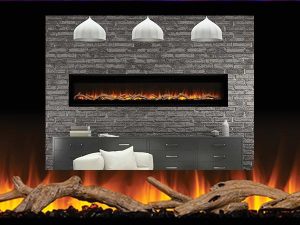
At its core, venting is about controlled airflow. Fire needs oxygen to burn, and the byproducts of that burn need somewhere to go. Modern hearth technology manages those two realities in different ways, which is why two fireplaces that look similar from the couch can have very different venting requirements behind the wall. Understanding these differences early makes it easier to choose the right product, avoid surprises during installation, and end up with a system that performs well and fits the space you actually want to use.
Gas fireplaces are a great example of how one fuel type can have multiple venting approaches. The most common modern option is direct vent, which uses a sealed combustion design. Instead of pulling air from the room, a direct-vent unit draws combustion air from outside and sends exhaust back outside through a dedicated vent system. Because the firebox is sealed off from the indoor environment—typically behind a fixed glass panel—this approach is widely favored for its clean operation and flexibility. It also avoids the need for a traditional masonry chimney, which expands where a fireplace can be placed in a home.
Direct vent systems commonly use a pipe-within-a-pipe design, where one passageway brings fresh air in and the other routes exhaust out. That vent can often terminate through an exterior wall (horizontal venting) or rise through the roof (vertical venting). If the fireplace is on an exterior wall, going straight out the back can simplify the project and reduce labor. If the unit is located on an interior wall, or if the vent path needs to travel farther, vertical routing may be the better fit. Either way, termination placement matters: where the vent ends up outside affects clearances, nearby outdoor living areas, and practical concerns like access in heavy weather.
Another gas option is natural venting, often called B-vent. These appliances are not sealed the way direct-vent systems are, meaning they use room air for combustion and rely on a vertical vent run to move exhaust upward and out. Because they depend on the natural rise of warm gases, they generally must vent through the roof, which can limit placement options. Their smaller venting footprint can work in certain tighter installations, but the trade-off is less flexibility compared with direct vent and more dependence on the home’s interior air.
Vent-free gas appliances operate differently from both of those approaches. Instead of routing exhaust outdoors, they’re engineered to burn in a tightly controlled manner that minimizes byproducts and keeps heat in the room. That’s why they’re often chosen for strong supplemental warmth and for situations where vent routing would be difficult. At the same time, vent-free products must be selected and installed carefully, because they interact directly with the room’s air. Local rules may restrict them in some places, and the right model, room size, and safety features should be treated as non-negotiable factors rather than afterthoughts.
Inserts add another layer to the venting conversation because they’re frequently installed inside an existing fireplace opening. Gas inserts commonly use a venting setup designed to work within a pre-existing chimney pathway, using flexible liners that run up the chimney—one for intake and one for exhaust—so the insert remains sealed from indoor air while still taking advantage of the structure that’s already there. This is a popular route for homeowners who want to turn an older wood-burning fireplace into a cleaner, more convenient gas system without rebuilding the entire hearth.
Wood-burning fireplaces, stoves, and inserts are more straightforward in one sense: they must vent vertically to the outdoors, typically through a chimney system that is rated for high heat and designed for wood combustion. A wood fireplace often uses a chimney and liner arrangement that carries smoke up and out, while a wood stove typically connects to a chimney via stovepipe and relies on draft to keep the burn steady. Wood inserts usually vent through an existing chimney using a stainless liner, giving you the charm and heat of wood with improved performance compared to an open masonry firebox.
Pellet appliances occupy a middle ground. They burn compressed fuel and use a controlled feed system, which changes both the combustion dynamics and the venting design. Many pellet stoves and inserts use specialized venting that can go through an existing chimney, but they can also often terminate through a side wall in a way that is generally simpler than traditional wood venting. Because pellet systems are engineered and mechanically assisted, the venting components and seals are specific to pellet use and must follow manufacturer requirements closely.
All of this leads to one practical truth: where you want the hearth matters as much as what hearth you want. Exterior walls usually make vent routing easier, especially for direct vent and pellet systems that can terminate horizontally. Interior placements may require longer runs, roof penetrations, or more complex routing. Even if a fireplace would look perfect centered on a certain wall, the real question is whether there’s a safe and code-compliant path to the outdoors—or whether the product type you’re considering is even designed for that location.
It also helps to decide early what you expect the fireplace to do for you. Some people primarily want atmosphere and a strong flame presentation. Others want meaningful supplemental heat, especially for the room they use most. In colder climates, heat output and efficiency often carry more weight; in milder climates, homeowners may prioritize quick comfort and visual impact without overheating the space. Your goals—ambience, warmth, or both—should guide the venting conversation, not follow it.
Because venting is tied to safety and performance, it’s one area where expert guidance can save time and prevent costly missteps. A knowledgeable hearth professional can confirm what your home can support, identify the most sensible vent route, and help match the appliance to the space, the design goals, and the realities of construction. When venting is planned correctly from the start, the rest of the project becomes much easier: fewer compromises, fewer surprises, and a fireplace that looks right, operates safely, and fits how you actually live.

