

How to Choose the Right Set for Heat, Looks, and Safety
Picking a gas log set is about far more than selecting a style you like. The type of logs you choose—and how they’re sized and positioned—can change how the flames behave, how much warmth you actually feel, and how safely the system operates. A gas fireplace may look simple from the outside, but the log set plays a central role in how the burner performs and how the firebox moves air.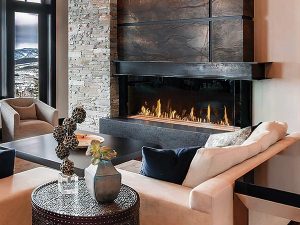
Many homeowners are surprised to learn that “gas logs” aren’t one-size-fits-all. Replacing an old set, upgrading the look of an existing fireplace, or building out a new gas setup all require different decisions. The best results come from matching the right log type to the fireplace design, the venting configuration, and what you want most—strong heat, realistic flame, or a balanced blend of both.
Gas logs aren’t just decorative pieces sitting over a burner. Their material, shape, and layout influence flame pattern, ember glow, and the way air travels through the firebox. A properly matched log set helps the fireplace ignite consistently, burn steadily, and maintain a natural-looking presentation. It can also improve how efficiently the system warms a room, depending on whether the unit is designed to vent heat outdoors or keep it inside. Just as important, a correct setup supports safe combustion by preventing blocked burner ports and minimizing problems caused by poor airflow.
The first decision is understanding whether your fireplace uses a vented configuration or a vent-free one. That single detail determines what types of log sets are compatible and what trade-offs you’ll be living with every time you turn on the fire.
Vented gas logs are designed to operate with a functioning chimney or flue. They’re popular because the flame can be tall, lively, and visually similar to a traditional wood fire. Many vented systems include ember materials and glowing effects that heighten the realism. The trade-off is that a substantial amount of heat escapes through the chimney, meaning vented logs often excel at atmosphere more than they do at heating efficiency. They also depend on a venting system that’s structurally sound and operating correctly.
Vent-free gas logs, on the other hand, are engineered to burn in a way that keeps heat in the room instead of sending it up a flue. This is why many people choose them as a zone-heating option—warming the space they’re actually using without relying as heavily on a whole-house system. Installation can be simpler because there’s no need for a chimney connection, but vent-free setups demand strict adherence to placement and operating guidelines. Some homeowners also notice that vent-free units can make existing room odors or humidity more noticeable, and the flame presentation may look slightly different than a vented fire because it’s designed around clean, controlled combustion rather than dramatic movement.
Once venting is understood, sizing becomes the next major factor. A log set should fit the firebox appropriately, leaving the correct clearances for airflow and ensuring the burner assembly functions as intended. Measuring isn’t only about the width of the opening. It includes the rear width, depth, height, and how the burner pan sits inside the firebox. Gas line placement and ignition components also factor in. When a set is too large, pieces may crowd the burner ports or restrict airflow. When a set is too small, the fire can look underwhelming and may not distribute flames evenly.
Log placement matters just as much as log selection. Gas logs are engineered to be arranged in specific ways, and those instructions aren’t just suggestions—especially for vent-free systems. If logs are stacked incorrectly, they can block burner openings, cause uneven flame behavior, increase sooting, or create unsafe conditions. A setup that “looks good” but ignores the manufacturer’s layout can lead to performance problems and, in the worst cases, hazards that are avoidable with correct installation.
Because of these variables, gas log projects are not the same as plugging in an appliance. Connecting gas supply lines, setting burner alignment, verifying ignition wiring, and checking for leaks should be handled by qualified professionals. In many regions, code requirements also apply, and using the wrong components or skipping safety steps can create problems that surface later. Proper installation protects your home, supports warranty requirements, and ensures the system performs the way it was designed to perform.
Maintenance is straightforward but still important. Over time, dust can settle on logs and burner components, and some systems may develop minor soot depending on configuration and airflow. A yearly inspection and careful cleaning help maintain flame quality and keep the unit running reliably, especially if the fireplace is used frequently during colder months.
Homeowners also ask about switching from vented to vent-free. In some situations it’s possible, but it isn’t a simple swap. The firebox, local codes, ventilation considerations, and the overall system design must be evaluated before making that change. The right answer depends on the specific fireplace and the space it’s heating, and it’s something that should be reviewed carefully rather than guessed.
Gas logs can last many years when matched correctly and cared for properly. Materials such as ceramic fiber and refractory cement are designed to withstand repeated heating cycles, but longevity still depends on correct installation, stable burner performance, and reasonable use.
A well-chosen gas log set is one of the most effective upgrades you can make to a gas fireplace. It improves the look of the fire, influences how much usable warmth you get, and plays a direct role in safe operation. When the log type, venting, sizing, and layout all match, the result feels effortless: reliable ignition, attractive flames, and comfort you can enjoy season after season.
