


Choose Your Fireplace Venting SystemA gas fireplace can bring warmth, comfort, and modern style to your home — even if your house does not have a traditional chimney. Thanks to advances in fireplace venting systems, homeowners now have multiple safe and efficient ways to install a gas fireplace without major structural renovations. Understanding how gas fireplace venting works is essential when choosing the right fireplace system for your home. Whether you are considering a direct vent fireplace, ventless gas fireplace, or B-Vent system, proper ventilation plays a critical role in safety, efficiency, and indoor air quality.
|
Key Takeaways:
|
Why Gas Fireplace Venting Matters
Gas fireplaces produce combustion gases such as carbon monoxide, water vapor, and nitrogen oxides. Proper venting safely removes these byproducts from your living space while helping the fireplace operate efficiently. According to fireplace industry experts, venting also improves heat performance and protects indoor air quality.
The right venting system depends on several factors, including:
- Whether your home has an existing chimney
- Fireplace location
- Heating goals
- Local building codes
- Fuel type
- Room size and ventilation
Modern gas fireplace technology makes it possible to install fireplaces in homes, condos, apartments, and remodels where a masonry chimney may not exist.
Types of Gas Fireplace Venting Systems
Direct Vent Gas Fireplaces
Direct vent fireplaces are one of the most popular options for homes without a chimney. These systems use a sealed vent pipe that pulls fresh air from outside while simultaneously exhausting combustion gases outdoors.
Because the firebox is sealed behind glass, direct vent gas fireplaces are considered one of the safest and most energy-efficient fireplace options available.
Benefits of direct vent fireplaces include:
- No traditional chimney required
- Improved indoor air quality
- High heating efficiency
- Flexible installation options
- Reduced heat loss
- Safe operation for modern homes
Direct vent systems can typically vent horizontally through an exterior wall or vertically through the roof, making them highly adaptable for renovations and new construction.
Ventless Gas Fireplaces
Ventless gas fireplaces — also called vent-free fireplaces — operate without a chimney or external venting system. These fireplaces are designed to burn fuel very cleanly while releasing heat directly into the room.
Ventless fireplaces are popular because they offer:
- Simple installation
- Lower installation costs
- High energy efficiency
- Flexible placement options
- Supplemental heat without chimney construction
Many vent-free systems include oxygen depletion sensors (ODS) that automatically shut the unit off if oxygen levels become too low.
However, ventless fireplaces remain subject to local code restrictions in some areas due to indoor air quality concerns. Homeowners should always verify local regulations before installation.
B-Vent Gas Fireplaces
B-vent fireplaces, sometimes called natural vent fireplaces, rely on vertical venting systems that carry combustion gases outside through a flue or vent pipe. Unlike direct vent fireplaces, B-vent systems use indoor air for combustion.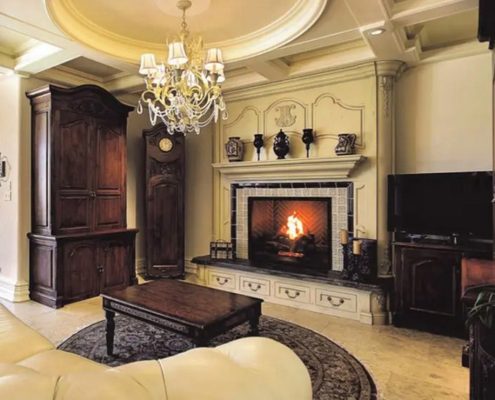
These systems are often chosen for:
- Traditional fireplace aesthetics
- Decorative flame appearance
- Existing vertical venting pathways
- Lower upfront equipment costs
While B-Vent fireplaces can create an attractive natural-looking flame, they are generally less energy efficient than direct vent systems because some heated air escapes through the venting system.
Horizontal Venting for Gas Fireplaces
One of the biggest advantages of modern direct vent fireplaces is the ability to vent horizontally through an exterior wall. This eliminates the need for a full masonry chimney while simplifying installation.
Horizontal venting works well for:
- Contemporary homes
- Condominiums
- Basement fireplaces
- Interior remodels
- New home construction
This flexibility allows homeowners to place fireplaces in rooms where traditional fireplaces were previously impractical.
Safety Considerations for Gas Fireplace Venting
Proper gas fireplace venting is essential for safe fireplace operation. Industry professionals recommend annual inspections and regular maintenance to ensure venting systems remain clear and functional.
Important fireplace safety practices include:
- Installing carbon monoxide detectors
- Scheduling professional inspections
- Following manufacturer venting requirements
- Maintaining proper room ventilation
- Keeping vent pipes unobstructed
- Verifying local building code compliance
Choosing the Best Venting Option for Your Home
The best gas fireplace venting solution depends on your home’s structure, heating needs, and design goals.
Direct Vent Fireplace
Best for:
- Energy efficiency
- Indoor air quality
- New construction
- Modern homes
- Safe sealed systems
Ventless Fireplace
Best for:
- Homes without chimney access
- Supplemental heat
- Lower installation costs
- Flexible placement
B-Vent Fireplace
Best for:
- Decorative ambiance
- Traditional fireplace appearance
- Existing venting infrastructure
Consulting with a certified fireplace professional can help determine which fireplace venting system is safest and most effective for your space.
Install a Gas Fireplace Without a Chimney
A missing chimney no longer limits your ability to enjoy a beautiful gas fireplace. Modern fireplace venting systems make it possible to install efficient, attractive fireplaces in nearly any room of the home.
Whether you choose a direct vent fireplace, vent-free gas fireplace, or B-vent system, understanding gas fireplace venting requirements is the key to achieving safe performance, energy efficiency, and long-term comfort.
Click Here for the Source of the Information.
