

A Homeowner’s Guide to Building a Fire Pit
There’s something timeless about gathering around a fire. Early humans depended on it for survival; today, many of us simply enjoy the comfort and connection it brings. If you love the snap and glow of a real flame, a backyard fire pit can turn your garden or patio into an evening destination, giving guests something to enjoy beyond the usual small talk and bug spray. Modern fire pits can resemble shimmering pools of flame, double as grills, and range from rustic to ultra-modern in style. No matter the look, they all share one key trait: the power to transform an ordinary outdoor space into a warm, inviting “room” under the open sky.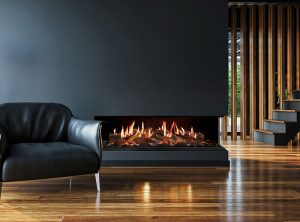
Building a fire pit as a do-it-yourself project does take some effort. You’ll be working with heavy materials like brick, stone, or concrete, and basic masonry skills are a big plus. But with some planning, patience, and respect for fire safety, the payoff is huge—long summer nights, crisp autumn afternoons, and a place the whole family can gather to roast marshmallows and make s’mores.
Choosing a Design: Shape, Style, and Safety
At its core, a fire pit is simply a controlled ring or basin where you can safely burn wood or operate a gas-fueled flame. Whether you burn logs, use gas logs, or another fuel source, safety always comes first. That’s why fire pits are built from heat-resistant materials such as stone, brick, ceramic, or metal, and why location matters as much as design.
Before you get creative, choose a level area that is well away from anything that could ignite. As a rule of thumb, keep your fire pit at least 10 feet from trees, shrubs, fences, sheds, and your home. If your yard is small and clearances are tight, it may be wiser to consider a different feature, like a fountain or pond, rather than squeezing in a fire pit that could pose a hazard.
Once you’ve identified a safe spot, you can start thinking about shape and style. Fire pits tend to fall into a few common layouts, but there’s room to go as simple or as imaginative as you like.
A round fire pit is the classic choice. Much like sitting around a round dining table, everyone faces the center, which naturally encourages conversation. This shape works especially well for gatherings and lends itself to dramatic ready-made bowls or basins you can set into a masonry surround.
Square fire pits introduce a more structured, formal feel. They tend to take up a bit more room and can appear bulky in tight spaces, but in a larger garden they complement straight lines and geometric layouts, and can even contribute to a Zen or modern aesthetic.
Rectangular fire pits are ideal if you expect a crowd or want a long, linear flame feature parallel to a bench, retaining wall, or patio edge. They can visually stretch a narrow patio, draw the eye along a pool or pond, and create a strong focal line in the landscape.
If you prefer to break the mold, you can repurpose unusual objects as the basis for a fire feature. Old metal wash tubs, tractor tire rims, and even washing machine drums have been converted into striking, character-filled fire pits, so long as they are used safely and lined or set up properly. For those who want to go big, an outdoor fireplace takes the concept vertically, adding a chimney, mantel, and more architectural presence than a simple pit.
Materials: Stone, Brick, and Faux Stone Solutions
Before you pick up a shovel or buy your first brick, check with your local government or fire department to see whether you need a permit. In some regions, especially those prone to drought or wildfires, outdoor burning—even in a contained pit—may be restricted or temporarily banned. There may also be rules about size, placement, and construction methods that you’re required to follow.
Once you know you’re allowed to build, you can focus on the materials. The main goal is to construct a solid, heat-resistant wall that contains both the fire and its heat while shielding the flames from the wind. Natural stone is a beautiful choice and gives your fire pit a custom, hand-crafted look. However, working with irregular rocks can be demanding. No two pieces are alike, so you’ll need to spend time sorting, fitting, and occasionally reshaping them with a chipping hammer to get stable, attractive courses. Creating “filler” stones to close gaps and maintain a smooth interior curve takes patience and practice.
Brick is more uniform and generally easier for beginners to handle, especially if you choose fire-rated brick for the inner lining. The consistent shape helps you maintain even courses and a clean, structured appearance. Still, you’ll want to learn basic masonry techniques—mixing and applying mortar, leveling as you go, and staggering joints—for a safe, long-lasting result.
A popular middle ground is molded concrete block designed to look like stone. These faux stone blocks typically have flat top and bottom surfaces, and many include interlocking features that help them stack securely. They’re easier to shape into circles and curves than natural stone, quicker to install, and often less expensive. With different sizes and textures available, you can achieve a convincing stone look with fewer headaches.
No matter which outer material you choose, don’t assume a thick wall alone is enough to withstand constant high heat. Prolonged exposure to intense temperatures can cause some materials to crack or deteriorate more quickly. To protect your investment, line the inside of the pit with a metal fire ring or a course of fire brick. These liners are designed to handle extreme heat and help extend the life of the surrounding masonry.
And because fire always carries risk, it’s wise to keep safety gear nearby. A dry-chemical fire extinguisher rated for class B and C fires—or a multipurpose unit—should be mounted in an accessible, sheltered spot close to your fire pit so you can react quickly if something goes wrong.
Outfitting Your Fire Pit: Tools, Cooking Gear, and Covers
Once the masonry has cured and your new fire pit is ready, the fun really starts. Building a good fire and enjoying it safely is much easier when you have the right accessories on hand.
Inside the pit, a metal grate can hold the logs slightly off the floor, promoting better airflow and more efficient burning. If you plan to cook over the flames, consider adding a cooking grid or grill surface. These gridded shelves often sit above the fire and may be fixed or adjustable, letting you control how close your food gets to the heat. If you don’t intend to use the pit for cooking, you can skip this add-on.
Storing firewood neatly and keeping it dry is another piece of the puzzle. Log racks—ranging from simple stands to decorative metal frames and cabinets—keep wood off the ground and within easy reach. Some come with their own covers to shield logs from rain and dew.
Managing the fire itself calls for a few specialized tools. Long-handled log grabbers or tongs allow you to shift burning wood without getting dangerously close. Thick, heat-resistant hearth gloves that cover your wrists and part of your forearms protect against accidental contact with hot metal, sparks, or embers while you tend the flames.
Because your fire pit lives outdoors, a weather-resistant cover is a smart investment. Heavy-duty polyester or vinyl covers help keep rain, leaves, and debris out of the bowl or interior, reducing cleanup and prolonging the life of metal components. Standard round pits are easy to fit with off-the-shelf covers; custom-built shapes may require a DIY solution or a custom order.
If your fire pit is portable and sits on a deck or patio, a heat-resistant pad beneath it can protect the surface from scorching, stray embers, and accumulating ash. For added safety, mesh screens or domed spark guards designed for standard pits can help contain sparks while still letting you enjoy the fire’s glow.
Gas-fueled fire pits come with their own set of accessories. Ceramic gas logs, lava rock, and fire glass help retain and radiate heat while mimicking the look of real embers. They also shape and diffuse the flame pattern, turning a simple burner into a more natural-looking bed of fire.
Bringing It All Together
A backyard fire pit is more than a weekend project; it’s a long-term invitation to slow down, gather with people you care about, and enjoy your outdoor space well into the evening and well into the cooler months. The planning, hauling, and stacking may take a couple of weekends, especially if you’re new to masonry, but the rewards last for years.
With thoughtful placement, sound materials, and the right accessories, your fire pit becomes the heart of an outdoor room—a place for stories, quiet reflection, and sticky-fingered s’mores. Add a few chairs, a stack of blankets, and a bag of marshmallows, and you’ll have everything you need to turn an ordinary night in the backyard into something memorable.
