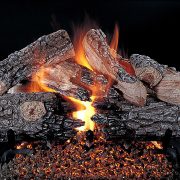
Choosing Vented or Ventless Gas Logs
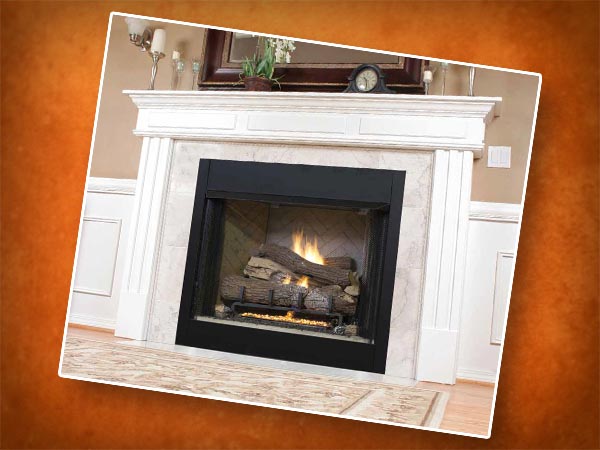
Vented vs. Ventless Gas Logs: Which Fireplace Gas Logs Are Right for Your Home?Choosing between vented gas logs and ventless gas logs is one of the most important decisions you’ll make when selecting a gas fireplace. While both provide the convenience of enjoying a fire without hauling wood or cleaning up ash, they are designed for different purposes and offer distinct advantages. Understanding how each type of **gas fireplace log set** works can help you choose the best option for your home’s heating needs, installation requirements, and desired fireplace appearance. In this guide, we’ll compare vented and ventless gas logs, explain their key differences, and help you determine which fireplace system best fits your space.
|
Key Takeaways:
|
Vented vs. Ventless Gas Logs: At a Glance
Before choosing a gas log set, consider these key differences:
Vented gas logs produce the most realistic flames and are ideal for homeowners who prioritize ambiance.
Ventless gas logs maximize heat efficiency by directing nearly all of the heat into the room.
Vented fireplaces require a functioning chimney or venting system.
Ventless fireplaces do not require a chimney but must meet local building codes and manufacturer installation requirements.
Both systems are available for natural gas and propane fireplaces.
What Are Gas Fireplace Logs?
Gas fireplace logs are decorative ceramic or refractory concrete logs designed to replicate the appearance of a traditional wood-burning fire while operating on either natural gas or propane.
Unlike wood fireplaces, gas log sets provide instant ignition, consistent flames, and minimal maintenance. They eliminate the need to store firewood, remove ash, or clean soot after each use.
Gas fireplace logs are available in two primary configurations:
Vented gas logs
Ventless (vent-free) gas logs
Each system offers unique benefits depending on how you plan to use your fireplace.
Vented Gas Logs
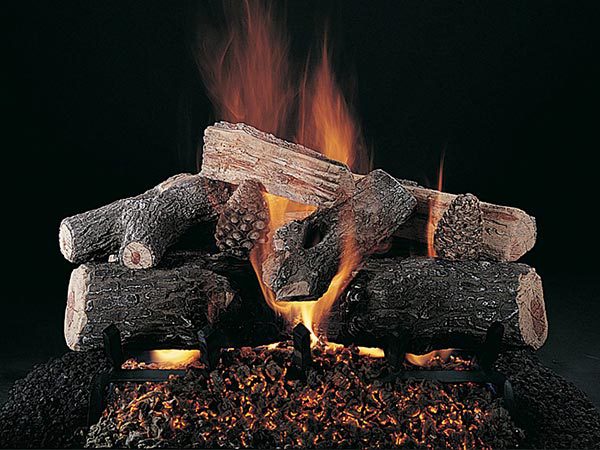
Vented gas logs are designed to operate in fireplaces with a fully functional chimney or approved venting system. They intentionally produce large, yellow flames that closely resemble the appearance of a traditional wood-burning fire.
Because combustion gases are exhausted through the chimney, vented gas logs provide an authentic fireplace experience with exceptional flame realism.
Benefits of Vented Gas Logs
Highly realistic flame appearance
Natural-looking glowing embers
Larger, more dramatic flames
Excellent indoor air quality through chimney ventilation
Compatible with high-BTU burner systems
Ideal for homeowners seeking a traditional fireplace aesthetic
Considerations
The chimney that creates realistic flames also allows much of the generated heat to escape outdoors. As a result, vented gas logs are typically chosen for their visual appeal rather than their heating performance.
Installation also requires:
A working chimney
An open fireplace damper during operation
Periodic chimney inspection and maintenance
Ventless Gas Logs
Ventless gas logs, also known as vent-free gas logs, are engineered to burn fuel much more efficiently than vented systems. Because no chimney is required, nearly all of the heat produced remains inside the room.
This makes ventless fireplaces an excellent option for supplemental heating while still providing the ambiance of a real fire.
Benefits of Ventless Gas Logs
High heating efficiency
No chimney or flue required
Lower fuel consumption
Greater installation flexibility
Effective supplemental heat source
Available for natural gas and propane systems
Ventless fireplaces are popular in living rooms, family rooms, finished basements, sunrooms, and other areas where traditional venting may not be practical.
Considerations
Because ventless gas logs release combustion byproducts into the room, they are equipped with built-in safety features such as oxygen depletion sensors (ODS). During operation, they also produce water vapor, which may increase indoor humidity.
Some homeowners may notice a slight odor during operation, particularly when the fireplace is new or during initial use.
Additionally, ventless gas logs typically produce slightly smaller, more controlled flames than vented systems.
Heat Output Comparison
When comparing heating performance, ventless gas logs generally outperform vented models.
If your primary goal is heating a room efficiently, ventless gas logs are typically the better choice. If your priority is creating the appearance of a traditional wood-burning fireplace, vented gas logs offer a more authentic visual experience.
Installation Requirements
Installing Vented Gas Logs
Vented gas log sets require:
A fully functional chimney
Proper fireplace ventilation
An open damper while operating
Professional gas line installation
Routine chimney inspection and maintenance
Homeowners with existing masonry fireplaces often find vented gas logs to be a straightforward upgrade.
Installing Ventless Gas Logs
Ventless gas log installation is generally more flexible because no chimney is required.
However, installation still requires:
A properly sized room
A natural gas or propane connection
Compliance with local building codes
Manufacturer-approved clearances
Professional installation when recommended
Some states, municipalities, and local jurisdictions restrict or prohibit ventless fireplaces. Always verify local regulations before purchasing a vent-free gas log set.
Which Gas Log Set Is Right for You?
The best gas fireplace logs depend on how you plan to use your fireplace.
Choose vented gas logs if you want:
The most realistic flame presentation
A traditional fireplace appearance
Large, natural-looking flames
An existing functional chimney
Choose ventless gas logs if you want:
Maximum heating efficiency
Lower energy consumption
Flexible installation options
Supplemental heat for living spaces
No chimney requirements
Final Summary
Both vented and ventless gas logs offer the convenience of enjoying a beautiful fire without the maintenance of burning wood. The right choice depends on your home’s layout, heating goals, and design preferences.
If realistic flames and ambiance are your highest priorities, vented gas logs remain the preferred option. If efficient supplemental heat and installation flexibility are more important, ventless gas logs provide an excellent solution.
By understanding the differences between vented and ventless gas fireplace logs, you can confidently select a gas fireplace system that enhances both the comfort and style of your home for years to come.
Click Here for the Source of the Information.