

How to Measure a Stone Fireplace Surround
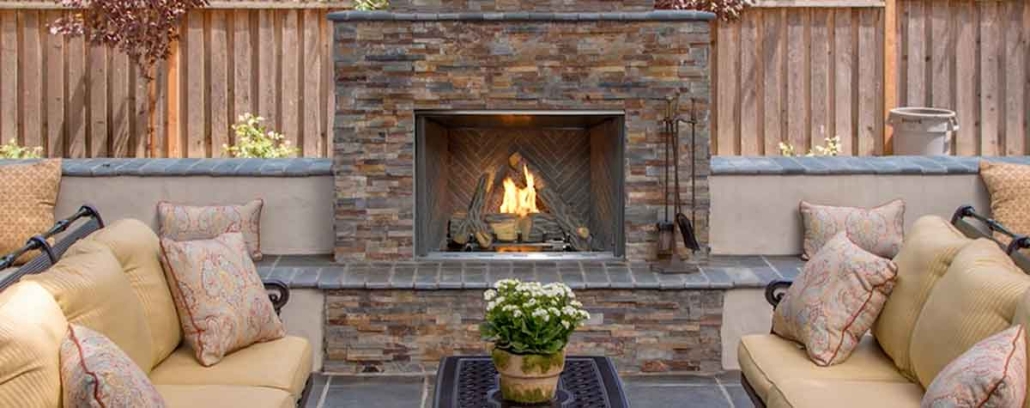
4 Factors to Consider When Measuring Your Stone Fireplace SurroundAccurate measurements are essential when planning a custom stone fireplace surround. The dimensions of the firebox, finished floor, hearth, and surrounding architecture all influence how the finished installation fits and looks. Whether the project involves a masonry fireplace or a factory-built gas fireplace, understanding the relevant measurements before fabrication can help prevent installation problems, unnecessary costs, and delays. Here are four common mistakes to avoid when measuring for a stone fireplace surround.
|
Key Takeaways:
|

Measuring from the Wrong Reference Points
One of the most common measurement errors is confusing the firebox opening with the overall dimensions of the fireplace unit.
The correct reference points depend on the firebox design, its metal facing, and the manufacturer’s installation requirements. Some installations allow the stone surround to overlap the facing, while others require portions of the metal frame, vents, or other components to remain exposed.
Masonry fireplaces also require consideration of the finished firebrick opening and any relevant installation tolerances.
Before measuring, identify the intended finished opening and determine which portions of the fireplace must remain visible or accessible. Clear reference points help ensure that the stone surround fits correctly without obstructing the firebox or its required components.
Overlooking Finished Floor and Hearth Height
Measurements taken from the sub-floor may differ from those taken from the completed floor. Flooring, underlayment, mortar, and hearth materials can affect the final elevation of the fireplace opening and surrounding stonework.
This is particularly important when installing a raised hearth or designing a hearth that sits flush with the finished floor.
Establish the finished floor height before finalizing the surround dimensions. Confirm the required depth, support, and installation details for the hearth with the fabricator and installer.
The necessary allowances depend on the fireplace system, selected materials, and construction method, so generic measurements should not replace project-specific specifications.
Ignoring Manufacturer Specifications
Fireplace manufacturers publish installation requirements that must be considered when designing and measuring a stone surround.
These requirements may address clearances, opening dimensions, ventilation, access panels, facing materials, and the placement of combustible or noncombustible materials.
A stone material being noncombustible does not automatically mean it can be installed at any distance from a fireplace. The complete assembly must comply with the appliance manufacturer’s instructions and applicable building and fire codes.
Review the firebox specifications before fabrication and coordinate the design with the fireplace supplier, stone fabricator, and qualified installer. Resolving compatibility questions early can help prevent costly changes later.
Overlooking Site and Design Constraints
The surrounding space can affect the dimensions and placement of a custom fireplace surround.
Nearby windows, cabinetry, wall returns, electrical components, gas controls, and other architectural features may limit the available width, height, or projection of the stonework.
Before finalizing measurements, assess the entire installation area and consider how the surround will relate to adjacent finishes and furnishings. Confirm that required controls, service access, and ventilation openings will remain accessible.
Accurate site measurements and coordinated drawings help ensure that the finished surround fits both the fireplace and the intended interior design.
Final Thoughts
Successful stone fireplace surround measurements begin with accurate reference points, a clear understanding of finished floor heights, compliance with manufacturer specifications, and careful assessment of site conditions.
Because fireplace systems and installation methods vary, measurements should be verified against the specific appliance documentation and project requirements before fabrication begins.
Working with an experienced stone fabricator and qualified installer helps coordinate these details, reduce avoidable errors, and achieve a finished fireplace surround that fits the space as intended.
Click Here for the Source of the Information.


