

Cozy Ambience, Instant Heat, and No Woodpile Required
Picture a winter evening where comfort is the whole point: soft pajamas, a good book, a warm drink, and the calming glow of “flames” dancing in the background—without hauling logs, striking matches, or cleaning ash. That’s the appeal of an electric fireplace. It’s essentially a plug-in heater designed to recreate the look of a traditional fireplace while adding quick, controllable warmth to a room.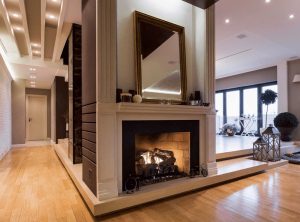
Unlike wood- or gas-burning options, electric fireplaces don’t rely on combustion. Once the unit is in place, you typically just connect it to power and switch it on. Because there’s no real fire, there’s no need for venting, a chimney, or a flue, which opens up a lot of possibilities for where it can go. People install them in living rooms and bedrooms, of course, but they can also work in spaces where a conventional fireplace would be impractical—like apartments, condos, offices, and even certain bathrooms, as long as the model is rated for moisture-prone areas.
Most electric fireplaces fall into a few common categories. Some are freestanding units that include a mantel-style surround, giving you that “built-in hearth” look with minimal effort. Others are wall-mounted or designed to be built into a wall or furniture for a sleek, modern, custom feel. A third option is the insert style, which fits into an existing fireplace opening so an older hearth can look active again—often with glowing faux logs and adjustable flame effects.
The heat itself is typically produced by internal elements—often metal coils—paired with a fan that pushes warmed air back into the room. Some models use infrared technology that aims to warm objects and people more directly rather than relying only on moving hot air. The flame effect is usually created with LED lighting and reflective components that mimic flicker, movement, and depth. Higher-end units sometimes add sound features that imitate the gentle crackle of a real fire to reinforce the illusion.
It’s worth keeping expectations realistic. An electric fireplace isn’t a replacement for a full-home heating system, but it can be excellent for targeted comfort—warming the room you’re actually using instead of heating the entire house. Many units are often described around the neighborhood of 4,000 BTUs and are commonly marketed for spaces around 400 square feet, though real-world results depend on insulation, ceiling height, drafts, and how cold it is outside.
One underrated advantage is how efficiently the heat stays in the room. Traditional fireplaces can lose a significant portion of their heat up the chimney, which is why they sometimes feel more like “ambience” than practical heating. With electric models, the heat they generate is delivered directly into the space rather than vented outdoors, so you’re not paying to warm the outside air.
Operating cost is usually straightforward: you’re paying for electricity instead of wood or gas. A typical heater setting on many models is around 1,500 watts, and the hourly cost depends on your local electric rate. At moderate rates, that can land in the “pennies per hour” range, while flame-only mode (no heat) can cost even less since LEDs draw very little power. The bigger point is predictability: there’s no fuel to restock, and there are generally fewer ongoing maintenance expenses compared with vented fireplaces—no chimney cleaning, inspections, or soot-related upkeep.
Installation tends to be another reason people choose electric. Many units work with standard household outlets, and larger models may require a higher-voltage connection depending on design. The overall barrier to entry is often much lower than a gas line install or a full masonry build, and because there are no emissions, they can be used in places where traditional fireplaces are restricted.
Then there’s the mess factor—or, more accurately, the lack of it. Because there’s no combustion, there’s no ash, smoke residue, soot, or stray wood debris. You still get the visual effect of flame and the comfort of warmth, but you avoid the cleanup routine that often comes with wood-burning fireplaces.
Safety is another major selling point. Electric fireplaces produce no smoke and no carbon monoxide, which removes a whole class of risks tied to ventilation problems or incomplete combustion. That said, they’re still heaters, so basic precautions matter: keep flammable items away from the heat output, follow the manufacturer’s clearance guidelines, and choose a model designed for the specific location if you’re installing it in a damp environment.
Finally, electric fireplaces have become surprisingly flexible in terms of design. Some lean classic with mantel surrounds, while others are intentionally modern—long, linear flame strips that look like they belong in a contemporary build. Many allow you to customize what you see inside the firebox, swapping between log sets, stones, glass, or rock styles that resemble coal. Flame colors and brightness are often adjustable too, which lets you match the “fire” to the mood—whether you want something traditional and amber-toned or a more dramatic, modern look.
In the end, an electric fireplace is less about replacing tradition and more about making comfort easy. If you want fast warmth, visual ambience, low mess, and flexible placement, it’s one of the simplest ways to bring that “cozy by the fire” feeling into your home—without turning it into a project every time you want the room to feel inviting.
