

Light as Air, Strong as Stone – The Quiet Genius of Pumice
Pumice begins its life in fire. As foaming lava cools, it traps countless tiny bubbles, creating a stone that’s unusually light, highly insulating, naturally absorbent, and remarkably durable. That rare mix of traits explains why this volcanic material shows up everywhere—from modern builds and energy-efficient hearths to patio planters and windowsill succulents.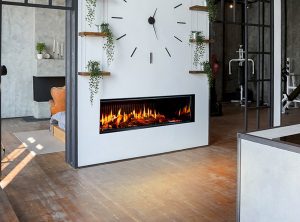
Because pumice is formed by nature and harvested from volcanic deposits around the world, it’s a resource that’s both abundant and inherently sustainable. It doesn’t need chemical processing to perform, and its longevity is measured in centuries. When a project changes course, pumice can often be reused or recycled, extending its life even further and lowering waste.
Gardeners prize pumice for how it transforms soil. Mixed into potting blends, those microscopic pores act like permanent airways, keeping media from compacting so roots can breathe and expand. The stone’s sponge-like structure helps smooth out watering mistakes by soaking up excess moisture yet holding reserve water that can carry plants through a dry spell. Many growers see a noticeable difference by folding in about ten percent pumice by volume; products such as Earthcore Industries’ Pure Icelandic Potting Pumice make it easy to dose and blend with consistency.
A simple top-dressing can be just as effective. Scattering a layer of pumice across the surface of houseplant soil discourages fungus gnats by creating a dry, inhospitable crust while still allowing air exchange. Outdoors, that same layer helps absorb puddling around stems after a heavy rain, reducing rot and splash-borne disease without sealing the soil.
Builders lean on pumice for a different reason: strength without the weight penalty. When combined with cement, pumice aggregate produces lighter blocks and panels that are easier to handle yet maintain structural integrity. The closed-cell texture also boosts thermal performance, helping walls retain comfort and reduce energy loss. Those insulating and refractory qualities are the same ones that make pumice a natural fit in high-efficiency hearth systems.
Earthcore Industries has spent more than three decades refining how to harness this material in its Isokern fireplaces and chimneys, an innovation lineage that traces back to an 80-year-old Danish technology. The core of the system is Earthcore’s proprietary pumice blend sourced from Iceland’s Mount Hekla, a deposit famed for its purity. The northern latitude and geologic setting yield pumice with minimal contaminants and organic erosion, producing components that are consistent, clean, and exceptionally heat resistant.
In practice, that means Isokern units deliver the trifecta homeowners and designers look for: safety, efficiency, and value. The pumice modules help keep outer framing cool, improve draft and combustion, and stand up to thermal cycling season after season. Whether installed in a custom new build or added during a renovation, the result is a fireplace that performs beautifully while quietly conserving energy.
From garden beds to great rooms, pumice earns its keep by doing several jobs at once—lightening loads, moderating moisture, buffering heat, and lasting for the long haul. It’s an ancient material with modern versatility, and a smart addition wherever you want performance without compromise.
