

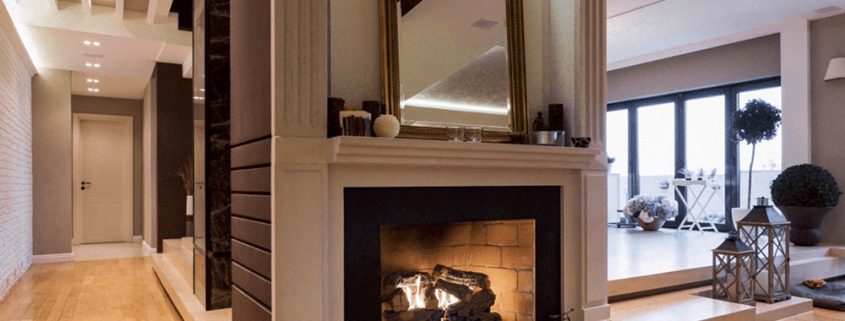
Modern Interiors Include Floor-to-Ceiling Fireplace DesignFloor-to-ceiling fireplaces have become a defining feature in modern interior architecture, especially in industrial-inspired homes that emphasize scale, material contrast, and vertical design. More than just a heat source, a full-height fireplace acts as an architectural focal point that anchors the room while introducing texture, structure, and visual impact. From exposed stone and brick accent to vertical paneling and custom millwork, today’s fireplace designs blend functionality with strong architectural identity. Selecting the right floor-to-ceiling fireplace depends on ceiling height, material palette, construction budget, and the overall interior style of the home.
|
Key Takeaways:
|
Why Floor-to-Ceiling Fireplaces Work in Industrial Design
Industrial interior design prioritizes architectural honesty, raw materials, and clean structural lines. A floor-to-ceiling fireplace naturally supports these principles by drawing attention to vertical space while showcasing materiality through brick, stone, wood, or other finishes.
In open-concept homes and loft-style interiors, full-height fireplaces also help define living areas without disrupting spatial flow. Their strong vertical presence creates balance within rooms featuring vaulted ceilings, exposed beams, oversized windows, or industrial metal detailing.
1. Floor-to-Ceiling Fireplace With Architectural Molding
A fireplace surround with integrated molding offers a more refined interpretation of industrial design. While traditional millwork is often associated with classic interiors, simplified geometric molding profiles can create a transitional industrial aesthetic when paired with matte finishes, black metal accents, and minimal décor.
This style works especially well in modern industrial homes that blend contemporary detailing with softer architectural elements. Large-scale wall molding also helps add depth and visual structure to tall living room walls without overwhelming the space.
- Best Applications
- Transitional industrial interiors
- Contemporary loft renovations
- Living rooms with high ceilings
- Spaces requiring subtle architectural texture
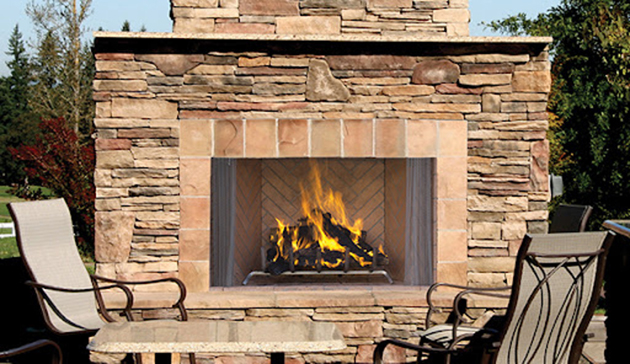
2. Stone Fireplaces for Industrial Rustic Design
Natural stone remains one of the most impactful materials for floor-to-ceiling fireplace design. In industrial interiors, stone introduces texture, permanence, and organic contrast against steel, glass, and concrete surfaces.
Large-format stone fireplaces are particularly effective in open-plan homes because they visually ground expansive spaces. Designers often pair stacked stone, limestone, or textured masonry with steel-framed windows, reclaimed wood beams, and polished concrete floors to achieve a balanced industrial-rustic aesthetic.
- Design Considerations
- Wider fireplace structures suit taller ceilings
- Natural stone increases visual weight
- Neutral-toned stone complements industrial palettes
- Integrated lighting enhances material texture
3. Traditional Fireplace Structures With Industrial Materials
Traditional fireplace framing can be modernized through industrial material selection and simplified detailing. Recessed fireboxes, clean-lined surrounds, and exposed masonry create a hybrid aesthetic that combines timeless architectural form with contemporary industrial finishes.
Many homeowners preserve original brick fireplaces while building out the surrounding wall structure to increase scale and prominence. This approach supports adaptive reuse design principles while reducing renovation complexity and maintaining architectural authenticity.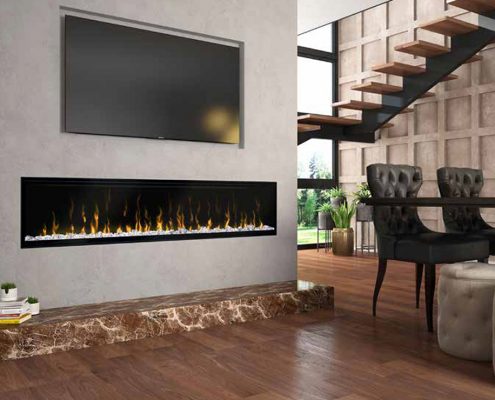
- Popular Industrial Material Pairings
- Blackened steel fireplace trim
- Exposed brick surrounds
- Reclaimed wood mantels
Designing Around Scale and Proportion
One of the most important aspects of floor-to-ceiling fireplace design is proportion. A fireplace that is too narrow can appear visually disconnected in large spaces, while oversized structures may overwhelm smaller rooms.
Designers often widen fireplace masses in rooms with vaulted ceilings or open-concept layouts to maintain architectural balance. Integrated shelving, built-ins, or recessed niches can also help distribute visual weight while increasing functionality.
Creating a Functional Industrial Fireplace Feature
A successful industrial fireplace design balances aesthetics with practicality. In addition to material selection, homeowners should consider:
- Heat management
- TV placement
- Lighting integration
- Seating orientation
- Acoustic balance
- Built-in storage opportunities
Soft furnishings, rugs, and layered lighting can help offset the harder surfaces commonly found in industrial interiors while preserving the architectural impact of the fireplace feature wall.
The Future of Floor-to-Ceiling Fireplace Design
As industrial interior design continues evolving, floor-to-ceiling fireplaces remain one of the most effective ways to create architectural drama and visual cohesion within modern homes. Whether constructed from stone or brick these full-height features transform fireplaces into integrated architectural statements rather than decorative afterthoughts.
The strongest industrial fireplace designs combine durable materials, clean geometry, and thoughtful proportions to create spaces that feel timeless, functional, and visually grounded.
Click Here for the Source of the Information.
