

Why Electric Fireplaces Are Taking Over
Picture this: you’re in your favorite pajamas, tucked into a soft chair with a good book and a warm drink, watching flames dance in a fireplace that you never had to build, stoke, or clean up after. No logs to haul, no ashes to sweep, no chimney to worry about—just instant warmth and ambiance from a wall outlet. That’s the appeal of an electric fireplace, and it’s a big part of why they’ve gone from niche gadgets to mainstream home features.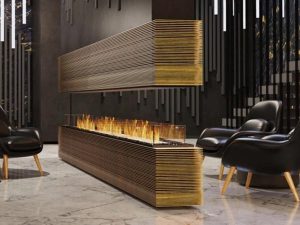
At their core, electric fireplaces are space heaters with style. Instead of burning wood, coal, or gas, they use electrical components to create both heat and the illusion of flames. Once installed, most models are as simple as plugging into a standard electrical outlet and pressing a button or flipping a switch. There’s no venting to run, no gas line to hook up, and no need for professional installation in many cases. That flexibility means you can have a “fireplace” in places you’d never put a traditional one—like a small bedroom, bathroom, kitchen, condo, or even an RV.
Design-wise, you’ll see three main categories. There are freestanding units with mantels that look like classic fireplaces; sleek, modern models that recess into or hang on a wall; and inserts designed to slide into an existing, unused hearth. Those inserts often come with sculpted logs, glowing embers, and multiple flame styles powered by LED lights. Many units use a refractor to bend and scatter the LEDs, creating a surprisingly convincing flicker. Some even add gentle crackling sound effects so you get the full fireplace vibe without the smoke.
The way they produce heat is straightforward but effective. Most electric fireplaces rely on metal heating coils and a fan. The coils warm up, the fan pushes air across them, and that warm air circulates into the room. Others use infrared technology to heat objects and people directly, similar to the sun’s warmth on your skin. While they’re not meant to replace a whole-home furnace, they’re excellent for zone heating—think a 400-square-foot living room, office, or primary bedroom. With an average output around 4,000 BTUs, they can take the chill out of a space quickly, and unlike traditional wood-burning fireplaces, none of that heat disappears up a chimney. All of it stays in the room.
Cost is another big reason electric fireplaces are gaining fans. Because they run on electricity alone, there’s no ongoing bill for gas or delivery of firewood, and no chimney cleaning or inspection appointments. A typical model draws around 1,500 watts when producing heat, which works out to roughly 8 or 9 cents per hour in many areas, depending on local utility rates. If you’re using “flame only” mode with no heat—just for the look—the cost drops to a fraction of a cent in many cases. For most households, that adds up to somewhere in the neighborhood of $50 to $100 per year, depending on how often the unit runs and whether it’s mainly for ambiance or actual warmth.
Then there’s the mess—or rather, the lack of it. Because electric fireplaces don’t burn anything, they don’t create soot, ash, or creosote. You don’t need log baskets, ash buckets, or fireplace tools. The flames are illusions created by LEDs and light reflectors, so when you’re done using it, you simply turn it off. No smoldering embers, no smoke, no lingering smell. It’s “instant fireplace” on demand, and when you walk away, there’s nothing to clean up.
Safety is another major advantage. Without real combustion, there are no emissions—no carbon monoxide, no smoke, no fine particles floating into your living space. That makes electric fireplaces a solid option for people with respiratory sensitivities, pets, or small children. The heat is contained within the unit, and many models stay relatively cool to the touch on the exterior while they’re running. As with any electrical appliance, you still need to follow the manufacturer’s guidelines, but you don’t have to worry about stray sparks, chimney fires, or open flames. Some models are even rated for use in moisture-prone areas, so you can safely install them in a bathroom if they’re specifically approved for that environment.
Electric fireplaces also shine when it comes to style and customization. Whether your home leans farmhouse, classic, minimalist, or ultra-modern, there’s a design to match. You can choose a traditional mantel that looks like it’s been there for decades, or a slim unit that spans an entire wall under a TV. Many models now come with interchangeable media options: faux logs that mimic charred wood, driftwood-style pieces for a coastal feel, black “coal” rocks, smooth river stones, or bright white stones that glow under the light. Flame colors are customizable too on many units, allowing you to switch from classic orange and red to blue, pink, or multi-color effects with the tap of a remote.
All of this modern polish has surprisingly deep roots. Electric fireplaces first showed up in American theaters as early as 1912, where they were used to heat and light stages. It wasn’t until the midcentury modern boom of the 1950s and ’60s that they started to appear in homes, and even then, the flame effects were fairly crude. The realistic, layered LED flames and ember beds we’re used to today didn’t arrive until the 1980s and 1990s—and they’ve only gotten more convincing since.
In the end, electric fireplaces offer a compelling mix of practicality and charm: quick, focused heat; low operating costs; no mess; and a surprising amount of design flexibility. If you’ve ever wanted the glow and comfort of a fireplace without the construction, venting, or upkeep that comes with a traditional one, an electric model might be the most effortless way to bring that cozy, fireside feeling into your home.
