New Orleans: (504) 482-7143 | Mandeville: (985) 893-2400
Foster-Taylor Fireplaces
  • Link to Facebook
  • Link to X
  • Link to Instagram
  • Link to Pinterest
  • Link to Tumblr
  • Home
  • Manufacturers
  • Products
    • FIREPLACES
      • Woodburning
      • Gas
        • Vent-Free
        • B-Vent
        • Direct-Vent
      • Electric
      • Outdoor Products
      • Ethanol
      • Isokern Fireplace Systems
      • All Masonry Fireplaces
    • GAS LOGS & ALTERNATIVES
      • Vented
      • Vent Free
      • Alternatives
    • CAST STONE MANTELS
  • About Us
    • Our History
    • Services
    • Our Team
  • Locations
    • Northshore Showroom
    • Southshore Showroom
  • Galleries
    • FIREPLACES
      • Woodburning Fireplaces
      • Gas Fireplaces
        • Vent-Free Fireplaces
        • B-Vent Fireplaces
        • Direct-Vent Fireplaces
      • Electric Fireplaces
      • Outdoor Fireplaces
      • Ethanol Fireplaces
      • Isokern Fireplaces
    • GAS LOGS & ALTERNATIVES
      • Vented Logs
      • Vent-Free Logs
      • Gas Log Alternatives
    • CAST STONE MANTELS
      • Siteworks Chateau
      • Siteworks Estate
      • Siteworks Villa
  • Get a Quote
  • Click to open the search input field Click to open the search input field Search
  • Menu Menu
  • Home
  • Manufacturers
  • Products
    • FIREPLACES
      • Woodburning
      • Gas
        • Vent-Free
        • B-Vent
        • Direct-Vent
      • Electric
      • Outdoor Products
      • Ethanol
      • Isokern Fireplace Systems
      • All Masonry Fireplaces
    • GAS LOGS & ALTERNATIVES
      • Vented
      • Vent Free
      • Alternatives
    • CAST STONE MANTELS
  • About Us
    • Our History
    • Services
    • Our Team
  • Locations
    • Northshore Showroom
    • Southshore Showroom
  • Galleries
    • FIREPLACES
      • Woodburning Fireplaces
      • Gas Fireplaces
        • Vent-Free Fireplaces
        • B-Vent Fireplaces
        • Direct-Vent Fireplaces
      • Electric Fireplaces
      • Outdoor Fireplaces
      • Ethanol Fireplaces
      • Isokern Fireplaces
    • GAS LOGS & ALTERNATIVES
      • Vented Logs
      • Vent-Free Logs
      • Gas Log Alternatives
    • CAST STONE MANTELS
      • Siteworks Chateau
      • Siteworks Estate
      • Siteworks Villa
  • Get a Quote
Local News

Fire Pit Table Options & How to Choose

Discover fire pit table options for outdoor entertaining, including different heights, materials, fuel types, and accessories for patios and gathering spaces.


So Many Features & Choices – How to Choose Your Fire Pit Table Options

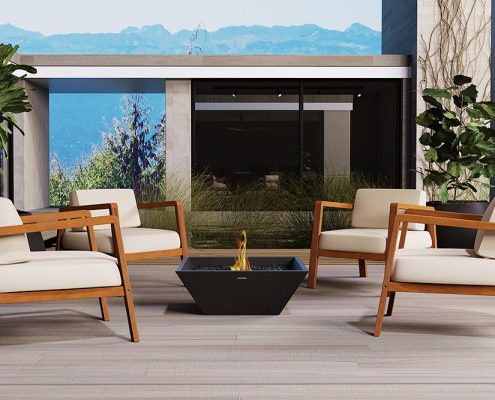
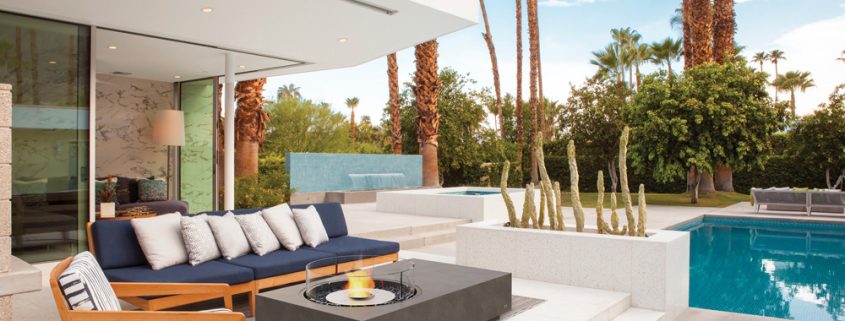
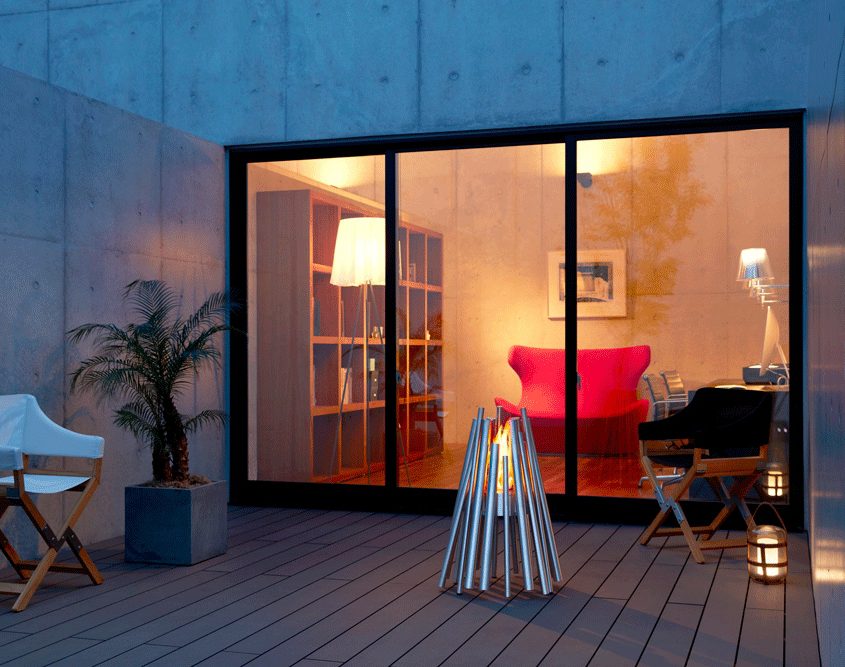
With choices such as fuel, height, shape, materials, and accessories; it can be overwhelming to select the perfect fire pit table options for your outdoor space. However, this article gives a brief overview of each category of choices to help you purchase the perfect fire table for your home or business. Foster-Taylor Fireplaces sells EcoSmart Fire Tables – you can view them at our EcoSmart Fire Table gallery page.

Compare fire pit table options, such as size, height, materials, fuel types, and accessories to create a comfortable and stylish outdoor gathering space.


Key Takeaways:

  • Height matters: Fire pit tables are available in coffee-table, dining, and counter heights to accommodate different outdoor seating and entertaining styles.
  • Materials vary: Options include GFRC, steel, powder-coated steel, Cor-Ten steel, cast aluminum, and copper, each offering a distinct appearance and maintenance considerations.
  • Choose the right fuel: Wood, natural gas, propane, and ethanol provide different experiences, installation requirements, portability, and maintenance needs.
  • Consider portability: Propane and ethanol models can offer flexibility where a permanent natural gas connection is not practical.
  • Think about accessories: Items such as burner covers and glass wind guards can add versatility and help improve comfort during outdoor gatherings.
  • Protect your investment: Covers and regular cleaning can help maintain fire pit tables, particularly models made from materials that may be affected by moisture, ash, or surface damage.

Fire Pit Table Size Options

Whether your table has a warming unit, or it’s just a table, fire pit table sizes are exactly similar to regular table sizes.

22″ – 23″ and 23.5″ – 25″ Height Fire Pit Tables

This height is the size of traditional coffee tables for your living room. The table is perfect for a lounging patio set and has space to place your drinks as you socialize with friends. Keep in mind that only a fire pit table with ethanol fuel can be used in an indoor space. Fire pit table come in both rectangular and round sizes.

28″ – 29.5″ Height Fire Pit Tables

For larger, more formal gatherings, consider the dining height of a 28″ – 29.5″ fire pit table. Depending on the width and depth of the table, you can have a cozy gathering of 4, or larger group of 6 people surrounding the table with room for small plates and beverages. Specific fire pit tables come with burner covers, so it can also be used as a traditional table. During fall or winter evenings, remove the covers and use the burners for warmth as the temperature falls.

36″ – 38″ Height Fire Pit Tables

These counter-height fire pit tables offer a place to either use bar stools or stand around for social get-togethers. Accessories, such as glass wind guards to protect guests from errant flames on gusty nights. The height of this fire pit table offers more flexibility for groups to move around instead of having a seated party at the dining height fire pit table.

Fire Pit Table Materials

There are surprisingly a decent amount of fire pit table materials selections: GFRC (glass fiber reinforced concrete), steel, powder-coated steel, cor-ten steel, cast aluminum, and copper. For the steel and copper selections, the key is to get a cover for your fire pit table and closely monitor the surfaces to deal with rust and nicks to extend the life and use of the table for as long as possible. The copper and cor-ten steel fire pit tables have an unmatched aesthetic with rich gold and tan tones, which can transform the look of your outdoor setup. Firepit tables made out of cast aluminum have longevity because aluminum doesn’t rust. Surprisingly, the fire pit table made of GFRC has the appearance of concrete but is lightweight and easier to move around.

Fire Pit Table Fuels

Wood

If you’re interested in a traditional fireplace or outdoor firepit feel, there is a fire pit table that is a wood burning option. You use wood for your fuel and benefit from the sounds and smells of a burning outdoor fire. Wood fire pit tables have to be installed a safe distance from anything that may catch on fire from random sparks and embers. You should clean this table after each use in order to keep it from rusting or wearing out from the residual ashes and soot leftover after use.

Natural Gas

Just like any appliance which uses natural gas, there is a low-maintenance, ease of use when you install a fire pit table with a natural gas line. It’s convenient, and you don’t have to worry about it running out of fuel when hosting an extended gathering. It also burns evenly because it has a constant supply of fuel.

Propane

Using propane for your fire pit table has the benefit of making it more portable. The fire pit table has a space to hide the tank, and because of the tank, you can move your table to different spots depending on your space. If you’re not currently a homeowner, this also might the investment you want to make because you can take it with you if you decide to move.

Ethanol

Using a fire pit table with ethanol also offers more flexibility because it is a fuel that you have to refill. Ethanol is a clean-burning fuel that doesn’t require lines or tanks, so it makes it a bit more user-friendly than propane fuel. The flame that is produced by ethanol fuel isn’t as intense as other fuels – it has a softer glowing flame.

Once you’ve considered the selection choices for your fire pit table, contact Foster-Taylor Fireplaces to discuss the options available to purchase in the Greater New Orleans area. If you can’t find the exact style you’re looking for on our website, feel free to visit our showrooms to see our EcoSmart models in person.


Click Here for the Source of the Information.

Ready For a Consultation?

This field is for validation purposes and should be left unchanged.
How Did Find Out About Foster-Taylor Fireplaces?(Required)
How Do You Prefer to Be Contacted?
By checking this box, you say that you do not wish to receive this information.
July 23, 2026
https://fostertaylor.com/wp-content/uploads/ECOSMART-Larnaca-Fire-Pit-Table-Pix-3.jpg 667 1000 admintaylor https://fostertaylor.com/wp-content/uploads/Foster-Taylor-Stacked-Logo-300x148.jpg admintaylor2026-07-23 18:08:292026-08-19 19:32:59Fire Pit Table Options & How to Choose
Local News

Choosing Vented or Ventless Gas Logs

Explore the differences between vented and ventless gas logs to find the best gas fireplace for your home's heating and design needs.


Vented vs. Ventless Gas Logs: Which Fireplace Gas Logs Are Right for Your Home?

Choosing between vented gas logs and ventless gas logs is one of the most important decisions you’ll make when selecting a gas fireplace. While both provide the convenience of enjoying a fire without hauling wood or cleaning up ash, they are designed for different purposes and offer distinct advantages.

Understanding how each type of **gas fireplace log set** works can help you choose the best option for your home’s heating needs, installation requirements, and desired fireplace appearance.

In this guide, we’ll compare vented and ventless gas logs, explain their key differences, and help you determine which fireplace system best fits your space.

Compare vented vs. ventless gas logs to learn the differences in heat, flame appearance, efficiency, installation, and safety before choosing a fireplace.


Key Takeaways:

  • Vented gas logs provide the most realistic flame appearance but require a functioning chimney and allow more heat to escape through the flue.
  • Ventless gas logs are highly efficient, keeping nearly all of the heat inside the room while requiring no chimney or traditional venting.
  • Both vented and ventless gas log sets are available for natural gas and propane fireplace systems.
  • Ventless fireplaces include built-in safety features, such as oxygen depletion sensors, and must be installed according to manufacturer instructions and local regulations.
  • Vented fireplaces are ideal for ambiance, while ventless fireplaces are better suited for supplemental home heating.
  • The best gas fireplace logs depend on your priorities, including flame realism, heating performance, installation requirements, and available fireplace venting.

Vented vs. Ventless Gas Logs: At a Glance

Before choosing a gas log set, consider these key differences:

Vented gas logs produce the most realistic flames and are ideal for homeowners who prioritize ambiance.
Ventless gas logs maximize heat efficiency by directing nearly all of the heat into the room.
Vented fireplaces require a functioning chimney or venting system.
Ventless fireplaces do not require a chimney but must meet local building codes and manufacturer installation requirements.
Both systems are available for natural gas and propane fireplaces.

What Are Gas Fireplace Logs?

Gas fireplace logs are decorative ceramic or refractory concrete logs designed to replicate the appearance of a traditional wood-burning fire while operating on either natural gas or propane.

Unlike wood fireplaces, gas log sets provide instant ignition, consistent flames, and minimal maintenance. They eliminate the need to store firewood, remove ash, or clean soot after each use.

Gas fireplace logs are available in two primary configurations:

Vented gas logs
Ventless (vent-free) gas logs

Each system offers unique benefits depending on how you plan to use your fireplace.

Vented Gas Logs

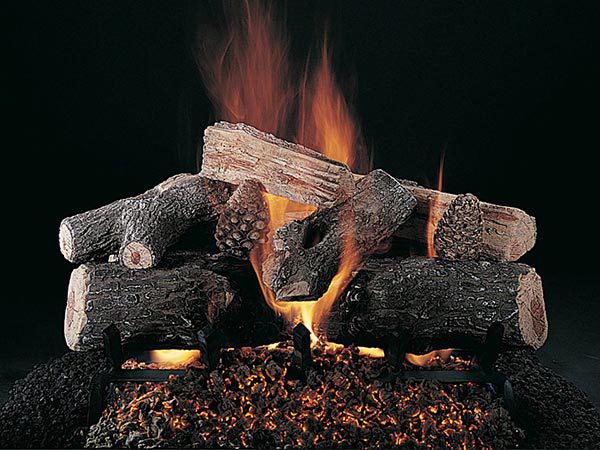
Vented gas logs are designed to operate in fireplaces with a fully functional chimney or approved venting system. They intentionally produce large, yellow flames that closely resemble the appearance of a traditional wood-burning fire.

Because combustion gases are exhausted through the chimney, vented gas logs provide an authentic fireplace experience with exceptional flame realism.

Benefits of Vented Gas Logs

Highly realistic flame appearance
Natural-looking glowing embers
Larger, more dramatic flames
Excellent indoor air quality through chimney ventilation
Compatible with high-BTU burner systems
Ideal for homeowners seeking a traditional fireplace aesthetic

Considerations

The chimney that creates realistic flames also allows much of the generated heat to escape outdoors. As a result, vented gas logs are typically chosen for their visual appeal rather than their heating performance.

Installation also requires:

A working chimney
An open fireplace damper during operation
Periodic chimney inspection and maintenance

Ventless Gas Logs

Ventless gas logs, also known as vent-free gas logs, are engineered to burn fuel much more efficiently than vented systems. Because no chimney is required, nearly all of the heat produced remains inside the room.

This makes ventless fireplaces an excellent option for supplemental heating while still providing the ambiance of a real fire.

Benefits of Ventless Gas Logs

High heating efficiency
No chimney or flue required
Lower fuel consumption
Greater installation flexibility
Effective supplemental heat source
Available for natural gas and propane systems

Ventless fireplaces are popular in living rooms, family rooms, finished basements, sunrooms, and other areas where traditional venting may not be practical.

Considerations

Because ventless gas logs release combustion byproducts into the room, they are equipped with built-in safety features such as oxygen depletion sensors (ODS). During operation, they also produce water vapor, which may increase indoor humidity.

Some homeowners may notice a slight odor during operation, particularly when the fireplace is new or during initial use.

Additionally, ventless gas logs typically produce slightly smaller, more controlled flames than vented systems.

Heat Output Comparison

When comparing heating performance, ventless gas logs generally outperform vented models.

If your primary goal is heating a room efficiently, ventless gas logs are typically the better choice. If your priority is creating the appearance of a traditional wood-burning fireplace, vented gas logs offer a more authentic visual experience.

Installation Requirements

Installing Vented Gas Logs

Vented gas log sets require:

A fully functional chimney
Proper fireplace ventilation
An open damper while operating
Professional gas line installation
Routine chimney inspection and maintenance

Homeowners with existing masonry fireplaces often find vented gas logs to be a straightforward upgrade.

Installing Ventless Gas Logs

Ventless gas log installation is generally more flexible because no chimney is required.

However, installation still requires:

A properly sized room
A natural gas or propane connection
Compliance with local building codes
Manufacturer-approved clearances
Professional installation when recommended

Some states, municipalities, and local jurisdictions restrict or prohibit ventless fireplaces. Always verify local regulations before purchasing a vent-free gas log set.

Which Gas Log Set Is Right for You?

The best gas fireplace logs depend on how you plan to use your fireplace.

Choose vented gas logs if you want:

The most realistic flame presentation
A traditional fireplace appearance
Large, natural-looking flames
An existing functional chimney

Choose ventless gas logs if you want:

Maximum heating efficiency
Lower energy consumption
Flexible installation options
Supplemental heat for living spaces
No chimney requirements

Final Summary

Both vented and ventless gas logs offer the convenience of enjoying a beautiful fire without the maintenance of burning wood. The right choice depends on your home’s layout, heating goals, and design preferences.

If realistic flames and ambiance are your highest priorities, vented gas logs remain the preferred option. If efficient supplemental heat and installation flexibility are more important, ventless gas logs provide an excellent solution.

By understanding the differences between vented and ventless gas fireplace logs, you can confidently select a gas fireplace system that enhances both the comfort and style of your home for years to come.


Click Here for the Source of the Information.

Ready For a Consultation?

This field is for validation purposes and should be left unchanged.
How Did Find Out About Foster-Taylor Fireplaces?(Required)
How Do You Prefer to Be Contacted?
By checking this box, you say that you do not wish to receive this information.
June 26, 2026
https://fostertaylor.com/wp-content/uploads/Superior-VRT3500-Ventless-Fireplace.jpg 450 600 admintaylor https://fostertaylor.com/wp-content/uploads/Foster-Taylor-Stacked-Logo-300x148.jpg admintaylor2026-06-26 20:34:562026-07-21 21:05:24Choosing Vented or Ventless Gas Logs
Local News

Bioethanol Fuel Fire Pits

Find out why bioethanol fuel is ideal for ventless fireplaces and ethanol fire pits with renewable fuel, cleaner combustion, and minimal maintenance.


Why Bioethanol Fuel Fire Pits Are a Cleaner Choice for Modern Outdoor Living

As more homeowners seek sustainable ways to enhance their outdoor living spaces, **bioethanol fuel** has become an increasingly popular alternative to traditional wood-burning and gas fire features. Designed to produce real flames with minimal environmental impact, **ethanol fire pits** offer a clean-burning, renewable fuel source that combines modern style with eco-conscious performance.

Whether you’re furnishing a backyard patio, rooftop terrace, balcony, or indoor living space, bioethanol fuel provides the ambiance of a real fire without the smoke, ash, or extensive maintenance associated with wood-burning fireplaces.

Keep reading to learn more about how bioethanol fuel works, its environmental benefits, expected heat output, and why it has become one of the leading choices for sustainable fire features.

Discover the benefits of bioethanol fuel for fire pits and fireplaces, including clean-burning performance, renewable energy, lower emissions, and easy installation.


Key Takeaways:

  • Bioethanol fuel is renewable, produced from plant-based materials such as corn and sugarcane, making it a more sustainable alternative to fossil fuels.
  • Ethanol fire pits burn cleanly, producing real flames with no visible smoke, ash, soot, or embers, resulting in easier maintenance and improved outdoor air quality compared to wood fires.
  • Ventless operation provides installation flexibility, allowing many ethanol fireplaces and fire pits to be used without a chimney or gas line where permitted by local regulations.
  • Bioethanol produces lower emissions than traditional wood-burning fires, helping reduce particulate pollution while supporting environmentally conscious outdoor living.
  • Most ethanol fire pits generate between 15,000 and 20,000 BTUs, making them ideal for ambiance and comfortable supplemental warmth rather than primary heating.
  • Using high-quality bioethanol fuel and following manufacturer guidelines helps maximize safety, efficiency, and long-term performance.

What Is Bioethanol Fuel?

Bioethanol fuel is a renewable liquid fuel produced by fermenting plant-based materials such as corn, sugarcane, and other agricultural crops. Because these plants naturally absorb carbon dioxide as they grow, bioethanol offers a more sustainable alternative to fossil fuels.

Bioethanol is specifically formulated for use in ethanol fireplaces and ethanol fire pits, where it burns cleanly inside a stainless steel burner. Unlike wood-burning fires, bioethanol produces real flames without creating visible smoke, soot, ash, or embers, eliminating the need for chimneys, vents, or flues in many installations.

This ventless design offers exceptional installation flexibility for both indoor and outdoor environments.

Environmental Benefits of Bioethanol Fuel

One of the greatest advantages of bioethanol fuel is its reduced environmental impact compared to traditional fire fuels.

Renewable Energy Source

Unlike fossil fuels, bioethanol is made from renewable plant materials that can be replenished through agricultural production. As these crops grow, they absorb carbon dioxide from the atmosphere, helping offset a portion of the emissions released during combustion.

When responsibly sourced, bioethanol contributes to a more sustainable fuel cycle than conventional petroleum-based fuels.

Lower Greenhouse Gas Emissions

Numerous life-cycle studies have shown that sustainably produced bioethanol can significantly reduce greenhouse gas emissions compared to gasoline and other fossil fuels. Actual reductions vary depending on crop selection, farming practices, transportation, and production methods, but responsibly manufactured bioethanol remains one of the cleaner-burning liquid fuels available.

Cleaner Air Quality

Bioethanol burns far more cleanly than wood, producing no visible smoke, ash, soot, or airborne embers. It also generates significantly fewer fine particulate emissions than wood-burning fire pits, helping improve air quality around outdoor living spaces.

While bioethanol combustion still produces carbon dioxide and small amounts of other combustion byproducts, these emissions are substantially lower than those associated with traditional wood fires.

Reduced Waste

Wood-burning fire pits create ash, charcoal residue, and partially burned logs that require cleanup after every use. Bioethanol burns efficiently, leaving virtually no solid waste behind and reducing ongoing maintenance.

Additionally, liquid bioethanol fuel does not leave oily residue in the event of a spill, making cleanup much simpler than petroleum-based fuels.

Why Choose an Ethanol Fire Pit?

Ethanol fire pits offer more than environmental benefits—they provide homeowners with exceptional flexibility and contemporary design.

Key advantages include:

* Real flames without visible smoke or ash
* Renewable, plant-based fuel source
* Ventless installation for many indoor and outdoor applications
* No chimney or gas line required
* Minimal maintenance and cleanup
* Modern, architectural fire feature designs
* Portable options for patios, balconies, and rooftop spaces

Because ethanol fire pits do not require permanent gas connections, they are often easier to install than traditional gas fire features.

Heat Output: What to Expect

Although ethanol fire pits produce beautiful flames, they are designed primarily for ambiance rather than whole-area heating.

Most ethanol burners generate between **15,000 and 20,000 BTUs**, while larger premium burners can produce up to approximately **28,000 BTUs**.

This level of heat creates a comfortable gathering space for family and guests, making ethanol fire pits ideal for mild evenings, covered patios, balconies, and intimate outdoor seating areas.

Compared to propane or natural gas fire pits, ethanol models generally produce less heat but offer greater installation flexibility and a significantly cleaner burn.

Maximizing Performance

To get the most from your ethanol fire pit, consider the following recommendations:

Choose the Right Burner Size

Larger burners create broader flames and distribute heat across a wider seating area. Select a burner that matches the size of your fire feature and outdoor space.

Protect the Flame from Wind

Installing a glass wind guard or placing your fire pit in a sheltered location helps maintain a steady flame while improving heat retention and fuel efficiency.

Use High-Quality Bioethanol Fuel

The quality of the fuel directly affects flame appearance, burn time, and emissions. Choosing premium bioethanol from reputable manufacturers helps ensure cleaner combustion, longer burn times, and more consistent performance.

Safe Indoor and Outdoor Use

One of the defining features of bioethanol fireplaces is their ventless operation. However, proper use remains essential.

Always follow the manufacturer’s operating instructions, use only approved bioethanol fuel, and ensure adequate ventilation when operating an ethanol fireplace indoors. Before installation, verify that local building codes and regulations permit ventless ethanol appliances in your area.

Following these guidelines helps maximize both safety and performance.

A Sustainable Choice for Modern Fire Features

Bioethanol fuel allows homeowners to enjoy the warmth and beauty of a real flame while reducing many of the environmental impacts associated with traditional wood-burning fires. Its renewable origins, lower emissions, smoke-free combustion, and minimal maintenance requirements make it an excellent choice for environmentally conscious homeowners.

Whether you’re designing a contemporary outdoor entertaining area, enhancing a rooftop terrace, or adding a ventless fireplace to your home, an ethanol fire pit offers a stylish, clean-burning solution that supports more sustainable outdoor living.


Click Here for the Source of the Information.


Ready For a Consultation?

This field is for validation purposes and should be left unchanged.
How Did Find Out About Foster-Taylor Fireplaces?(Required)
How Do You Prefer to Be Contacted?
By checking this box, you say that you do not wish to receive this information.
June 18, 2026
https://fostertaylor.com/wp-content/uploads/EcoSmart-Fire-Stix-Fire-Pit-6.jpg 667 1000 admintaylor https://fostertaylor.com/wp-content/uploads/Foster-Taylor-Stacked-Logo-300x148.jpg admintaylor2026-06-18 18:18:112026-07-21 20:28:22Bioethanol Fuel Fire Pits
Local News

Audubon Nature Institute Plans New Orleans Riverfront Development

Learn how New Orleans riverfront development projects, including the Audubon Nature Institute’s downtown park, are revitalizing public green space along the Mississippi River.


Downtown New Orleans Riverfront Park Marks Major Step in New Development

New Orleans is continuing a major transformation of its riverfront with the upcoming opening of a new downtown riverfront park developed by the Audubon Nature Institute. The project is part of a broader effort to reconnect the city with the Mississippi River through expanded public access, green space, and pedestrian-friendly design.

As riverfront development in New Orleans accelerates, this newest addition strengthens the city’s long-term vision of creating a continuous, accessible, and vibrant public waterfront stretching across downtown.


Key Takeaways:

  • New Orleans riverfront development is focused on connecting downtown areas to the Mississippi River.
  • The new downtown riverfront park offers green space, walking paths, playgrounds, and public gathering areas.
  • Urban riverfront redevelopment improves pedestrian access and creates a continuous public corridor.
  • Riverfront parks enhance tourism, local business traffic, and community engagement.
  • The project is part of the Audubon Nature Institute’s long-term vision for a vibrant, accessible waterfront.
  • Redeveloping former industrial sites into public spaces supports economic growth and urban revitalization.
  • Future phases aim to expand connectivity and create one of the most significant riverfront destinations in the U.S.

A New Chapter in New Orleans Riverfront Development

The new riverfront park is part of the ongoing “Riverfront for All” initiative, a large-scale redevelopment plan aimed at converting former industrial wharves and underused riverfront properties into public green space.

Once completed, the project will help connect key downtown destinations such as Spanish Plaza and Crescent Park, forming a continuous stretch of accessible riverfront along the Mississippi River. This expansion is reshaping how residents and visitors experience the heart of New Orleans.

The redevelopment reflects a growing focus on urban riverfront development that prioritizes recreation, tourism, and community access over industrial use.

Transforming the Downtown Mississippi River Corridor

The new park is located on a former warehouse site along the riverfront, now reimagined as a public green space designed for recreation and relaxation. The development introduces landscaped walkways, shaded seating areas, and family-friendly gathering spaces that encourage year-round use.

Key features of the riverfront development include:

  • Expanded public green space along the Mississippi River
  • Shaded seating areas and river-view gathering spaces
  • A new playground designed for families and children
  • Walking paths that connect to existing riverfront parks
  • Open areas for community events and public programming

This approach reflects a broader trend in New Orleans riverfront development focused on accessibility, environmental design, and public engagement.

Strengthening the “Riverfront for All” Vision

The Audubon Nature Institute’s long-term riverfront development strategy aims to create one of the longest continuous urban riverfront parks in the United States.

By linking multiple segments of the downtown riverfront, the project is turning previously disconnected spaces into a unified public corridor. This vision supports both local quality of life and tourism growth by making the Mississippi River more visible, accessible, and integrated into everyday city life.

As additional phases are completed, the riverfront is expected to serve as a major recreational and cultural destination for New Orleans.

Economic and Community Impact of Riverfront Development

Beyond its recreational value, the new riverfront park represents a significant investment in downtown New Orleans development. Large-scale public space projects like this often contribute to:

  • Increased tourism and visitor activity
  • Higher foot traffic for nearby businesses
  • Long-term real estate and commercial development interest
  • Improved public infrastructure and urban connectivity
  • Expanded community programming and outdoor events

As New Orleans continues to invest in its waterfront, the riverfront is becoming a key driver of downtown revitalization and economic growth.

A More Connected and Accessible New Orleans Riverfront

One of the primary goals of the project is to improve pedestrian access along the Mississippi River. By creating continuous walkways and linking existing parks and public spaces, the development allows residents and visitors to experience the riverfront without interruption.

This type of connectivity is central to modern riverfront development strategies seen in major cities across the country, where waterfronts are being redesigned as public destinations rather than industrial corridors.

The Future of New Orleans Riverfront Development

The opening of this new downtown riverfront park represents a major milestone in the city’s ongoing redevelopment strategy. As additional phases are completed, New Orleans is moving closer to a fully connected riverfront experience that spans multiple neighborhoods and landmarks.

With continued investment and planning, the Mississippi River corridor is positioned to become one of the most significant public riverfront destinations in the United States, blending recreation, tourism, and urban design into a unified public space.

New Orleans riverfront development is no longer just about revitalization—it is about redefining how the city interacts with its most important natural asset, the Mississippi River.


Click Here for the Source of the Information.

Ready For a Consultation?

This field is for validation purposes and should be left unchanged.
How Did Find Out About Foster-Taylor Fireplaces?(Required)
How Do You Prefer to Be Contacted?
By checking this box, you say that you do not wish to receive this information.
May 27, 2026
https://fostertaylor.com/wp-content/uploads/Audubon-Nature-Institute.jpg 750 1200 admintaylor https://fostertaylor.com/wp-content/uploads/Foster-Taylor-Stacked-Logo-300x148.jpg admintaylor2026-05-27 22:31:462026-05-28 22:57:10Audubon Nature Institute Plans New Orleans Riverfront Development
Local News

How to Clean White Fireplace Brick and Keep It Looking Bright

Discover the best ways to clean white brick fireplaces, including tips for removing soot, protecting painted brick, and maintaining a bright appearance.


Keep the Look You Want by Learning to Clean White Fireplace Brick

White fireplace brick can create a clean, modern, and timeless focal point in a living room or gathering space. Whether painted, limewashed, or naturally light-colored, white brick fireplaces add texture and character while complementing a wide range of interior design styles.

However, white fireplace brick also tends to show soot, dust, smoke stains, and discoloration more easily than darker surfaces. Regular maintenance and proper cleaning techniques are essential for preserving the appearance of your fireplace and protecting the brick finish over time.

If you are wondering how to clean white fireplace brick safely and effectively, the right approach depends on the type of brick finish and the level of buildup present.


Key Takeaways:

  • White fireplace brick requires gentle cleaning to avoid damaging painted or treated surfaces.
  • Use mild soap, warm water, and soft-bristle brushes for regular fireplace brick maintenance.
  • Baking soda paste can help remove soot and smoke stains from white brick fireplaces.
  • Avoid harsh chemicals and abrasive wire brushes when cleaning fireplace brick.
  • Regular dusting and soot removal help preserve the bright appearance of white fireplace brick.
  • Electric fireplace screens and chimney maintenance can reduce future soot buildup.
  • Professional cleaning may be necessary for severe stains or damaged masonry surfaces.

Why White Fireplace Brick Requires Special Cleaning

Unlike traditional red brick, white fireplace brick can show dirt and staining much more visibly. Smoke residue, ash, dust, and everyday household grime can quickly dull the appearance of the surface if not cleaned regularly.

Improper cleaning methods can also damage painted or whitewashed brick, strip protective coatings, or cause discoloration.

Before cleaning, it is important to determine whether the fireplace brick is:

* Painted brick
* Whitewashed brick
* Limewashed brick
* Natural white brick
* Sealed masonry brick

Each finish may require slightly different cleaning products and techniques.

Supplies Needed to Clean White Fireplace Brick

Before starting, gather the following materials:

* Soft-bristle brush
* Vacuum with brush attachment
* Microfiber cloths
* Mild dish soap
* Warm water
* Spray bottle
* Baking soda
* Non-abrasive sponge
* Protective gloves
* Drop cloth or towels

Avoid using harsh wire brushes, bleach, or highly acidic cleaners unless specifically recommended for masonry surfaces.

Step 1: Remove Dust and Loose Debris

Begin by protecting nearby flooring and furniture with drop cloths or towels. Use a vacuum with a brush attachment or a dry microfiber cloth to remove loose dust, ash, and debris from the fireplace brick surface.

Pay close attention to mortar joints and textured areas where soot and dirt can accumulate.

Regular dust removal helps prevent buildup and keeps white brick looking brighter between deep cleanings.

Step 2: Prepare a Gentle Cleaning Solution

For routine cleaning, mix warm water with a small amount of mild dish soap in a spray bottle or bucket.

Lightly spray or dampen the brick surface without soaking it. Excessive moisture can penetrate porous masonry and potentially damage certain finishes over time.

For tougher stains or soot buildup, create a paste using baking soda and water.

Step 3: Scrub the Brick Carefully

Use a soft-bristle brush or non-abrasive sponge to gently scrub the white fireplace brick in circular motions.

Focus on areas with visible soot, smoke stains, or discoloration. Avoid aggressive scrubbing, especially on painted or whitewashed brick surfaces, as this can remove paint or damage the finish.

For stubborn spots, apply the baking soda paste directly to the stain and allow it to sit for several minutes before gently scrubbing.

Step 4: Wipe and Dry the Surface

After cleaning, wipe the brick with a clean damp cloth to remove any soap residue or loosened dirt.

Use a dry microfiber cloth to absorb excess moisture and help prevent streaking or water spots.

Allow the fireplace brick to air dry completely before using the fireplace again.

How to Remove Soot from White Fireplace Brick

Soot can be one of the most difficult issues when cleaning white fireplace brick. Because soot particles are oily, using water alone may spread stains instead of removing them.

For heavier soot buildup:

* Vacuum loose soot first
* Use a dry cleaning sponge designed for soot removal
* Apply baking soda paste to stained areas
* Clean gently to avoid spreading residue
* Repeat as needed rather than scrubbing aggressively

If staining becomes severe, professional fireplace cleaning services may be necessary to restore the surface safely.

Tips to Keep White Fireplace Brick Clean Longer

Regular maintenance can help minimize deep cleaning and preserve the appearance of your fireplace.

Helpful maintenance tips include:

* Dust fireplace brick weekly
* Clean soot buildup promptly
* Use fireplace doors or screens
* Schedule regular chimney maintenance
* Avoid burning materials that create excessive smoke
* Reseal painted or treated brick surfaces when needed

Preventative care can significantly extend the life and appearance of white fireplace brick finishes.

When to Call a Professional

Some fireplace stains, smoke damage, or masonry issues may require professional cleaning or restoration. If your fireplace brick has deep discoloration, peeling paint, crumbling mortar, or persistent soot buildup, consulting a fireplace or masonry professional may help prevent further damage.

Professionals can also recommend safe cleaning products and refinishing options based on the type of brick and finish used in your home.

Maintain the Beauty of Your White Brick Fireplace

White fireplace brick remains a popular interior design feature because of its clean, timeless appearance and ability to brighten living spaces. With proper care and regular maintenance, homeowners can keep white brick fireplaces looking fresh and attractive for years to come.

Using gentle cleaning methods and avoiding harsh chemicals can help preserve both the beauty and durability of your fireplace while protecting painted or treated brick finishes.


Click Here for the Source of the Information.


Ready For a Consultation?

This field is for validation purposes and should be left unchanged.
How Did Find Out About Foster-Taylor Fireplaces?(Required)
How Do You Prefer to Be Contacted?
By checking this box, you say that you do not wish to receive this information.
May 20, 2026
https://fostertaylor.com/wp-content/uploads/VENT-FREE-EMPIRE-WHITE-MOUNTAIN-Boulevard-3.jpg 740 1000 admintaylor https://fostertaylor.com/wp-content/uploads/Foster-Taylor-Stacked-Logo-300x148.jpg admintaylor2026-05-20 22:11:322026-05-28 22:28:48How to Clean White Fireplace Brick and Keep It Looking Bright
Page 2 of 19‹1234›»

Recent Posts

  • Isokern Fireplaces: Volcanic Pumice, Design and Benefits
  • How to Measure a Stone Fireplace Surround
  • Stone Fireplace Design: 5 Elements of Timeless Style
  • Fire Pit Table Safety
  • A Buyer’s Guide to Electric Fireplaces

Follow us on Facebook

Foster-Taylor Fireplaces Locations

We Have Two Locations in the Greater New Orleans Area!


Click to View Northshore Location.


Click to View Southshore Location.

Masonry Products Sales

Visit Our Sister Company

For Info About Masonry Products, Supplies & Accessories.

Office Hours & Info

Monday – Friday 7:00am – 4:30pm


New Orleans: (504) 482-7143

Mandeville: (985) 893-2400


[email protected]

© Copyright 2022 - Foster Taylor Fireplaces - Enfold Theme by Kriesi
  • Link to Facebook
  • Link to X
  • Link to Instagram
  • Link to Pinterest
  • Link to Tumblr
Scroll to top Scroll to top Scroll to top