New Orleans: (504) 482-7143 | Mandeville: (985) 893-2400
Foster-Taylor Fireplaces
  • Link to Facebook
  • Link to X
  • Link to Instagram
  • Link to Pinterest
  • Link to Tumblr
  • Home
  • Manufacturers
  • Products
    • FIREPLACES
      • Woodburning
      • Gas
        • Vent-Free
        • B-Vent
        • Direct-Vent
      • Electric
      • Outdoor Products
      • Ethanol
      • Isokern Fireplace Systems
      • All Masonry Fireplaces
    • GAS LOGS & ALTERNATIVES
      • Vented
      • Vent Free
      • Alternatives
    • CAST STONE MANTELS
  • About Us
    • Our History
    • Services
    • Our Team
  • Locations
    • Northshore Showroom
    • Southshore Showroom
  • Galleries
    • FIREPLACES
      • Woodburning Fireplaces
      • Gas Fireplaces
        • Vent-Free Fireplaces
        • B-Vent Fireplaces
        • Direct-Vent Fireplaces
      • Electric Fireplaces
      • Outdoor Fireplaces
      • Ethanol Fireplaces
      • Isokern Fireplaces
    • GAS LOGS & ALTERNATIVES
      • Vented Logs
      • Vent-Free Logs
      • Gas Log Alternatives
    • CAST STONE MANTELS
      • Siteworks Chateau
      • Siteworks Estate
      • Siteworks Villa
  • Get a Quote
  • Click to open the search input field Click to open the search input field Search
  • Menu Menu
  • Home
  • Manufacturers
  • Products
    • FIREPLACES
      • Woodburning
      • Gas
        • Vent-Free
        • B-Vent
        • Direct-Vent
      • Electric
      • Outdoor Products
      • Ethanol
      • Isokern Fireplace Systems
      • All Masonry Fireplaces
    • GAS LOGS & ALTERNATIVES
      • Vented
      • Vent Free
      • Alternatives
    • CAST STONE MANTELS
  • About Us
    • Our History
    • Services
    • Our Team
  • Locations
    • Northshore Showroom
    • Southshore Showroom
  • Galleries
    • FIREPLACES
      • Woodburning Fireplaces
      • Gas Fireplaces
        • Vent-Free Fireplaces
        • B-Vent Fireplaces
        • Direct-Vent Fireplaces
      • Electric Fireplaces
      • Outdoor Fireplaces
      • Ethanol Fireplaces
      • Isokern Fireplaces
    • GAS LOGS & ALTERNATIVES
      • Vented Logs
      • Vent-Free Logs
      • Gas Log Alternatives
    • CAST STONE MANTELS
      • Siteworks Chateau
      • Siteworks Estate
      • Siteworks Villa
  • Get a Quote
Local News

Which is Best: Outdoor Fireplaces or Fire Tables

When comparing outdoor fireplaces or fire tables, it’s essential to consider your space size and heating needs.


Accommodate Your Outdoor Space with Outdoor Fireplaces or Fire Tables

When it comes to enhancing your outdoor living space, a fire feature can make all the difference. Whether you’re hosting friends or enjoying a quiet evening, the warmth and ambiance created by a fire can transform your outdoor area into a cozy, inviting retreat. Two popular options for outdoor heating are outdoor fireplaces and fire tables — but which one is right for you?

In this article, we’ll compare outdoor fireplaces and fire tables, highlighting their unique benefits, style options, and functionality to help you decide which heating solution best fits your needs.

Key Takeaways:

  • Outdoor Fireplaces: Best for larger spaces, providing significant warmth and traditional charm. Ideal for colder climates or bigger backyards.
  • Fire Tables: Modern, compact, and portable. Perfect for smaller patios and casual gatherings, offering adjustable heat and contemporary style.
  • Heating Efficiency: Fireplaces are more effective for heating large areas, while fire tables provide warmth for intimate settings and smaller spaces.
  • Installation and Cost: Outdoor fireplaces may require professional installation and a higher upfront cost, while fire tables are easy to install and more affordable.
  • Fuel Options: Fireplaces can use wood, gas, or propane, while fire tables typically run on gas or propane for ease of use and quick setup.

Consider Outdoor Heating

An outdoor fire feature does more than just provide warmth — it creates an atmosphere of relaxation and luxury, extending the usability of your patio or backyard year-round. Both outdoor fireplaces or fire tables are fantastic choices for heating your space, each offering a distinct set of advantages.

Whether you’re looking for a traditional wood-burning fireplace or a sleek gas-powered fire table, these heating solutions can offer both functionality and style. Let’s break down the differences and help you find the perfect fit for your home.Find the perfect heating solution for your outdoor space, from wood-burning fireplaces to gas fire tables.
Outdoor Fireplaces: Classic Elegance with Superior Heat

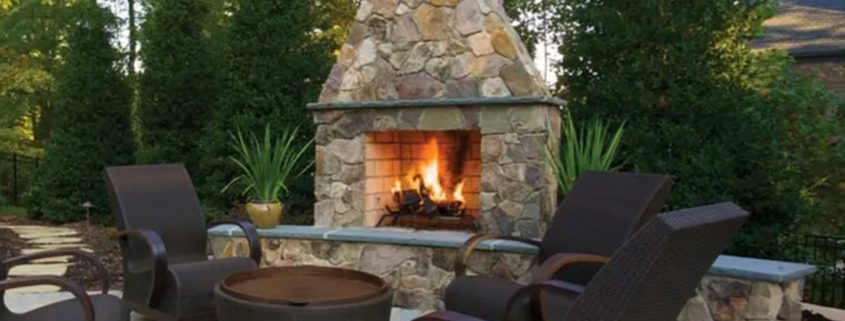
An outdoor fireplace provides a timeless, sophisticated focal point for your patio, garden, or backyard. These fireplaces come in a variety of styles, including traditional brick, stone, and masonry designs, and they can be powered by wood, gas, or even electric.

Advantages of Outdoor Fireplaces

Efficient Heat Distribution: Outdoor fireplaces are designed to generate consistent and substantial heat, making them an ideal choice for warming larger outdoor spaces. They can create a cozy atmosphere in bigger yards or patios.

Aesthetic Appeal: A fireplace adds an elegant, traditional touch to your outdoor area. Whether you prefer a rustic stone fireplace or a modern, sleek design, an outdoor fireplace can enhance the beauty of your garden, patio, or backyard.

Multi-Functional Design: Many outdoor fireplaces come with additional features like grills, pizza ovens, or fireplace inserts, allowing you to combine warmth and cooking. This makes them perfect for gatherings and outdoor cooking enthusiasts.

Long-Term Investment: A well-built outdoor fireplace can last for years with minimal maintenance, making it a durable, long-lasting addition to your home. These fireplaces can withstand the elements, making them a solid investment in your outdoor space.

What to Consider When Choosing Outdoor Fireplaces

Higher Initial Cost: Outdoor fireplaces can be more expensive to install, especially if you choose a custom-built option. The installation may also require professional assistance, particularly if it involves masonry work.

Longer Setup Time: While fire tables are easy to install and move, outdoor fireplaces generally require more time and effort for installation due to their larger size and custom design.

Fire Tables: Modern Convenience with Portable Heating

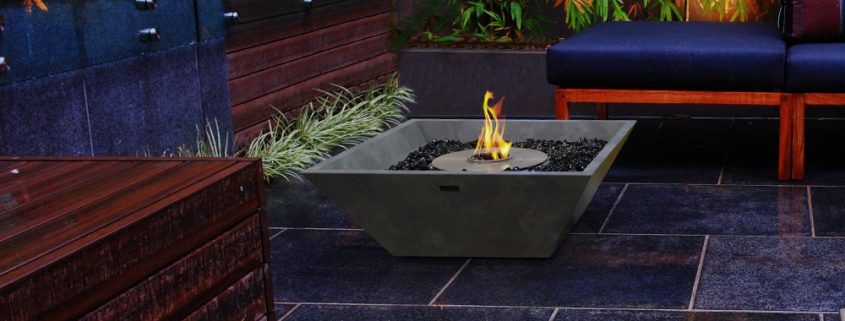
Fire tables are a modern and versatile alternative to traditional outdoor fireplaces. These gas-powered fire features are available in a variety of materials, including steel, stone, and concrete, and provide a contemporary and stylish way to enjoy warmth in your outdoor area.

Advantages of Fire Tables

Ease of Use and Portability: Fire tables are incredibly easy to set up and move, making them a flexible option for smaller patios or areas that require a mobile heat source. You can easily reposition your fire table to suit your gathering space.

Contemporary Design: Fire tables offer a sleek, minimalist design that complements modern outdoor furniture. Their clean lines and stylish finishes fit seamlessly into a variety of outdoor settings, from contemporary patios to rooftop gardens.

Adjustable Heat Control: Many fire tables come with adjustable flame settings, giving you the flexibility to control the level of heat and ambiance based on your preferences and the weather.

Dual-Purpose Functionality: Many fire tables double as dining tables, coffee tables, or even side tables. This makes them not only a heat source but also a functional piece of outdoor furniture for everyday use.

Fire Table Purchase Considerations

Limited Heat Coverage: While fire tables are excellent for providing warmth to small groups, they may not be suitable for larger spaces. If you need to heat a large patio or backyard, an outdoor fireplace will likely be more effective.

Fuel Dependency: Fire tables typically run on propane or natural gas, which means you need to have a reliable fuel supply to keep the fire burning. Unlike wood-burning fireplaces, fire tables do not offer the same independence in terms of fuel options.

Outdoor Fireplace vs. Fire Table: Which One Should You Choose?

Deciding between an outdoor fireplace and a fire table depends on a few key factors: your space size, heating needs, aesthetic preferences, and budget.

Space Considerations
Outdoor Fireplaces are best for larger areas and can heat wide, open spaces effectively. If you have a spacious patio or large backyard, a fireplace can provide the warmth and ambiance you need for outdoor gatherings.

Fire Tables are ideal for smaller patios or areas where you want a more compact and convenient heating solution. They are portable and easy to move, making them a great option for intimate gatherings.

Style Preferences
If you prefer a traditional or rustic look, a stone or brick outdoor fireplace will enhance the charm of your backyard and become a central feature of your outdoor decor.

For a more modern, minimalist aesthetic, a gas-powered fire table with clean lines and contemporary finishes will seamlessly integrate into your modern outdoor furniture.

Heating Needs
For larger spaces or colder climates where you need significant warmth, outdoor fireplaces are more efficient at providing substantial heat over a larger area.

For casual, cozy gatherings in moderate climates, fire tables provide the perfect amount of warmth with an easy, controlled flame that is simple to adjust based on the atmosphere you want to create.

Budget and Installation
Outdoor Fireplaces may come with a higher upfront cost, especially if you opt for a custom-built design. Additionally, installation may take longer and require more professional help.

Fire Tables offer a more budget-friendly, easy-to-install solution. You can purchase a pre-fabricated fire table that’s ready to go, making it a quicker and less expensive option for adding warmth to your outdoor space.

Final Thoughts: Outdoor Fireplaces or Fire Tables

Both outdoor fireplaces and fire tables offer unique benefits for enhancing your outdoor space. Whether you choose the classic elegance of an outdoor fireplace or the modern convenience of a fire table, both options create a cozy, inviting atmosphere that extends the use of your patio year-round. Consider the size of your space, your heating needs, and your aesthetic preferences to choose the best fire feature for your home.

No matter which option you go for, adding a fire element to your outdoor space is an investment in comfort, style, and warmth.


Click Here for the Source of the Information.


Ready For a Consultation?

This field is for validation purposes and should be left unchanged.
How Did Find Out About Foster-Taylor Fireplaces?(Required)
How Do You Prefer to Be Contacted?
By checking this box, you say that you do not wish to receive this information.
February 17, 2026
https://fostertaylor.com/wp-content/uploads/ECOSMART-Nova-600-Fire-Pit-Table-6.jpg 667 1000 admintaylor https://fostertaylor.com/wp-content/uploads/Foster-Taylor-Stacked-Logo-300x148.jpg admintaylor2026-02-17 23:42:112026-05-14 22:53:31Which is Best: Outdoor Fireplaces or Fire Tables
Local News

Trader Joe’s Mandeville Coming to the Northshore

Mandeville will get the Northshore's first Trader Joe's store in the Greater New Orleans Area.

First Trader Joe’s Mandeville outside the New Orleans and Baton Rouge areas — making this an exciting first for the Northshore.

Mayor Clay Madden has confirmed that the permits have been pulled and development and construction are underway for the first Trader Joe’s location on the North Shore of Lake Pontchartrain. Upon completion, the store shall be located in Pontchartrain Square, bringing all of the popular food and grocery items offered by this iconic boutique store to St. Tammany Parish.


What You Will Learn When You Read This Article:

  • Trader Joe’s is coming to Mandeville, Louisiana, confirmed by Mayor Clay Madden.
  • The new store will be located in Pontchartrain Square on the North Shore.
  • Grand opening date not yet announced, but preparations and permits are already underway.
  • This will be the first Trader Joe’s on the North Shore, bringing popular specialty foods and groceries to local shoppers.

Mayor Clay Madden Confirms the First Trader Joe’s Mandeville

Trader Joe’s in Pontchartrain Square will bring popular products like specialty foods, private‑label favorites, and everyday groceries to local shoppers.

The shopping center’s parking area is expected to be refurbished ahead of the store opening.

Residents can look forward to regular updates as Trader Joe’s finalizes plans and announces its official opening timeline.

Trader Joe’s has a dedicated following across the country and is known for high‑quality products, unique private‑label items, and an engaging shopping experience. This new Trader Joe’s Mandeville store will be a major addition to North Shore retail and grocery options.

Stay tuned for updates — and get ready to welcome Trader Joe’s to Mandeville!


Click Here for the Source of the Information.

Ready For a Consultation?

This field is for validation purposes and should be left unchanged.
How Did Find Out About Foster-Taylor Fireplaces?(Required)
How Do You Prefer to Be Contacted?
By checking this box, you say that you do not wish to receive this information.
January 30, 2026
https://fostertaylor.com/wp-content/uploads/Mandeville-Trailhead.jpg 600 800 admintaylor https://fostertaylor.com/wp-content/uploads/Foster-Taylor-Stacked-Logo-300x148.jpg admintaylor2026-01-30 01:23:432026-01-30 01:23:43Trader Joe’s Mandeville Coming to the Northshore
Local News

Indoor Fireplace Safety Guide: Essential Tips for a Safer Home

Learn essential fireplace safety tips to protect your home and family. Discover indoor fireplace safety best practices, inspections, and maintenance.


Indoor Fireplace Safety: Essential Tips to Protect Your Home

Nothing says comfort like gathering around a crackling indoor fireplace — but without proper fireplace safety practices, that cozy warmth can quickly turn into a hazard. Whether you have a wood-burning hearth or a gas fireplace, following essential safety steps protects your family, home, and peace of mind.

Fireplace safety made simple. Learn indoor fireplace safety tips, chimney maintenance advice, and best practices to keep your home safe.

What You Will Learn When You Read This Article:

  • Learn essential fireplace safety tips to prevent fires, smoke damage, and carbon monoxide risks in your home.
  • Discover best practices for wood-burning and gas fireplaces, including proper use, inspections, and maintenance.
  • Understand the importance of chimney care, safe burning habits, and protective barriers to keep your family safe.
  • Create a safer, cozier home by following proven indoor fireplace safety guidelines year-round.

Fireplace Safety Information & Tips

1. Schedule Annual Fireplace & Chimney Inspections

Regular professional inspections are the cornerstone of fireplace safety. A certified technician will check your chimney for cracks, blockages, creosote buildup, and other issues that can lead to dangerous chimney fires or smoke backdrafts inside your home. Annual inspections and cleanings help keep your fireplace operating safely and efficiently.

2. Use Dry, Seasoned Wood for Wood Burning Fireplaces

Burning kiln-dried or seasoned firewood is safer and cleaner than using wet or green wood. Dry wood produces stronger heat and significantly less smoke, which reduces creosote accumulation in the chimney — a major fire hazard if left unchecked. Never burn trash, treated wood, or painted lumber, as these can release toxic fumes and sparks.

3. Always Open the Flue Fully Before Lighting a Fire

Before starting a fire, double-check that the flue and damper are fully open so smoke and combustion gases can exit through the chimney properly. A closed or partially-closed flue can cause dangerous smoke to roll back into your living space and increase the risk of carbon monoxide buildup.

4. Install Smoke and Carbon Monoxide Detectors

A working smoke alarm and carbon monoxide (CO) detector are essential when using an indoor fireplace. Carbon monoxide is an odorless, colorless gas that can accumulate when combustion gases aren’t vented properly, making early detection lifesaving. Install detectors on every level of your home and test them monthly.

5. Use a Fireplace Screen or Glass Doors

Sparks and hot embers can jump out of your fireplace and ignite carpets, rugs, or nearby furniture. A sturdy fireplace screen or tempered glass door acts as a barrier, protecting children, pets, and household items from flying embers while still allowing you to enjoy the view of the fire.

6. Create a 3-Foot Safety Zone

Keep a clear safety zone of at least three feet around your fireplace. This means removing flammable items like blankets, furniture, holiday stockings, books, and décor. This simple distance rule is one of the most effective ways to prevent accidental fires and burns.

7. Never Leave a Fire Unattended

Leaving your fireplace burning while you leave the house or go to sleep is one of the biggest fire risks. Always fully extinguish your fire before bedtime or before leaving home, and allow the embers to cool completely before closing the damper.

8. Dispose of Ashes Safely

Let ashes cool for at least 24 hours before removing them, and always use a metal container with a tight-fitting lid for storage. Place this container outside, away from combustible materials and structures, to avoid accidental flare-ups.

9. Teach Fireplace Safety to Your Family

Fireplaces are fascinating but potentially dangerous for children. Establish clear rules about staying a safe distance away when the fire is burning, explain the dangers of hot embers and tools, and consider using a safety gate if you have curious toddlers or pets nearby.

10. Maintain Your Gas Fireplace Safely

For gas fireplaces, ensure that all components — including pilot lights, gas lines, and valves — are checked by a professional regularly. Proper operation and maintenance help prevent gas leaks and ensure clean combustion. Always follow manufacturer guidelines for safe operation.

Final Thoughts: Enjoy Your Fireplace with Confidence

An indoor fireplace is one of the most inviting features of a home — but it comes with responsibilities. By following these fireplace safety tips, scheduling regular inspections, and keeping your hearth clean and well-maintained, you can enjoy cozy fires without compromising safety.

Let your fireplace warm your home and memories — but always put safety first.

Click Here for the Source of the Information.


Ready For a Consultation?

This field is for validation purposes and should be left unchanged.
How Did Find Out About Foster-Taylor Fireplaces?(Required)
How Do You Prefer to Be Contacted?
By checking this box, you say that you do not wish to receive this information.
January 22, 2026
https://fostertaylor.com/wp-content/uploads/Astria-Plexus-Electric-Fireplaces-in-Greater-New-Orleans.jpg 450 600 admintaylor https://fostertaylor.com/wp-content/uploads/Foster-Taylor-Stacked-Logo-300x148.jpg admintaylor2026-01-22 00:55:262026-05-14 22:50:42Indoor Fireplace Safety Guide: Essential Tips for a Safer Home
Local News

How Airflow Determines What You Can Install and Where

Some hearth products are built to operate without sending air or exhaust outdoors. Electric units and certain vent-free gas appliances fall into that category. Nearly everything else—gas fireplaces and stoves, wood-burning systems, pellet appliances, and most inserts—depends on a venting pathway to supply oxygen for combustion and to carry combustion gases safely out of the living space. That basic idea is simple; what complicates it is that “venting” isn’t one universal setup. The best vent route is shaped by the fuel you burn, the appliance design, and the physical layout of your home.

At its core, venting is about controlled airflow. Fire needs oxygen to burn, and the byproducts of that burn need somewhere to go. Modern hearth technology manages those two realities in different ways, which is why two fireplaces that look similar from the couch can have very different venting requirements behind the wall. Understanding these differences early makes it easier to choose the right product, avoid surprises during installation, and end up with a system that performs well and fits the space you actually want to use.

Gas fireplaces are a great example of how one fuel type can have multiple venting approaches. The most common modern option is direct vent, which uses a sealed combustion design. Instead of pulling air from the room, a direct-vent unit draws combustion air from outside and sends exhaust back outside through a dedicated vent system. Because the firebox is sealed off from the indoor environment—typically behind a fixed glass panel—this approach is widely favored for its clean operation and flexibility. It also avoids the need for a traditional masonry chimney, which expands where a fireplace can be placed in a home.

Direct vent systems commonly use a pipe-within-a-pipe design, where one passageway brings fresh air in and the other routes exhaust out. That vent can often terminate through an exterior wall (horizontal venting) or rise through the roof (vertical venting). If the fireplace is on an exterior wall, going straight out the back can simplify the project and reduce labor. If the unit is located on an interior wall, or if the vent path needs to travel farther, vertical routing may be the better fit. Either way, termination placement matters: where the vent ends up outside affects clearances, nearby outdoor living areas, and practical concerns like access in heavy weather.

Another gas option is natural venting, often called B-vent. These appliances are not sealed the way direct-vent systems are, meaning they use room air for combustion and rely on a vertical vent run to move exhaust upward and out. Because they depend on the natural rise of warm gases, they generally must vent through the roof, which can limit placement options. Their smaller venting footprint can work in certain tighter installations, but the trade-off is less flexibility compared with direct vent and more dependence on the home’s interior air.

Vent-free gas appliances operate differently from both of those approaches. Instead of routing exhaust outdoors, they’re engineered to burn in a tightly controlled manner that minimizes byproducts and keeps heat in the room. That’s why they’re often chosen for strong supplemental warmth and for situations where vent routing would be difficult. At the same time, vent-free products must be selected and installed carefully, because they interact directly with the room’s air. Local rules may restrict them in some places, and the right model, room size, and safety features should be treated as non-negotiable factors rather than afterthoughts.

Inserts add another layer to the venting conversation because they’re frequently installed inside an existing fireplace opening. Gas inserts commonly use a venting setup designed to work within a pre-existing chimney pathway, using flexible liners that run up the chimney—one for intake and one for exhaust—so the insert remains sealed from indoor air while still taking advantage of the structure that’s already there. This is a popular route for homeowners who want to turn an older wood-burning fireplace into a cleaner, more convenient gas system without rebuilding the entire hearth.

Wood-burning fireplaces, stoves, and inserts are more straightforward in one sense: they must vent vertically to the outdoors, typically through a chimney system that is rated for high heat and designed for wood combustion. A wood fireplace often uses a chimney and liner arrangement that carries smoke up and out, while a wood stove typically connects to a chimney via stovepipe and relies on draft to keep the burn steady. Wood inserts usually vent through an existing chimney using a stainless liner, giving you the charm and heat of wood with improved performance compared to an open masonry firebox.

Pellet appliances occupy a middle ground. They burn compressed fuel and use a controlled feed system, which changes both the combustion dynamics and the venting design. Many pellet stoves and inserts use specialized venting that can go through an existing chimney, but they can also often terminate through a side wall in a way that is generally simpler than traditional wood venting. Because pellet systems are engineered and mechanically assisted, the venting components and seals are specific to pellet use and must follow manufacturer requirements closely.

All of this leads to one practical truth: where you want the hearth matters as much as what hearth you want. Exterior walls usually make vent routing easier, especially for direct vent and pellet systems that can terminate horizontally. Interior placements may require longer runs, roof penetrations, or more complex routing. Even if a fireplace would look perfect centered on a certain wall, the real question is whether there’s a safe and code-compliant path to the outdoors—or whether the product type you’re considering is even designed for that location.

It also helps to decide early what you expect the fireplace to do for you. Some people primarily want atmosphere and a strong flame presentation. Others want meaningful supplemental heat, especially for the room they use most. In colder climates, heat output and efficiency often carry more weight; in milder climates, homeowners may prioritize quick comfort and visual impact without overheating the space. Your goals—ambience, warmth, or both—should guide the venting conversation, not follow it.

Because venting is tied to safety and performance, it’s one area where expert guidance can save time and prevent costly missteps. A knowledgeable hearth professional can confirm what your home can support, identify the most sensible vent route, and help match the appliance to the space, the design goals, and the realities of construction. When venting is planned correctly from the start, the rest of the project becomes much easier: fewer compromises, fewer surprises, and a fireplace that looks right, operates safely, and fits how you actually live.

Click Here For the Source of the Information.

December 21, 2025
https://fostertaylor.com/wp-content/uploads/Foster-Taylor-Stacked-Logo-300x148.jpg 0 0 jgravestayfos https://fostertaylor.com/wp-content/uploads/Foster-Taylor-Stacked-Logo-300x148.jpg jgravestayfos2025-12-21 11:42:012025-12-21 11:42:01How Airflow Determines What You Can Install and Where
Local News

How to Choose the Right Set for Heat, Looks, and Safety

Picking a gas log set is about far more than selecting a style you like. The type of logs you choose—and how they’re sized and positioned—can change how the flames behave, how much warmth you actually feel, and how safely the system operates. A gas fireplace may look simple from the outside, but the log set plays a central role in how the burner performs and how the firebox moves air.

Many homeowners are surprised to learn that “gas logs” aren’t one-size-fits-all. Replacing an old set, upgrading the look of an existing fireplace, or building out a new gas setup all require different decisions. The best results come from matching the right log type to the fireplace design, the venting configuration, and what you want most—strong heat, realistic flame, or a balanced blend of both.

Gas logs aren’t just decorative pieces sitting over a burner. Their material, shape, and layout influence flame pattern, ember glow, and the way air travels through the firebox. A properly matched log set helps the fireplace ignite consistently, burn steadily, and maintain a natural-looking presentation. It can also improve how efficiently the system warms a room, depending on whether the unit is designed to vent heat outdoors or keep it inside. Just as important, a correct setup supports safe combustion by preventing blocked burner ports and minimizing problems caused by poor airflow.

The first decision is understanding whether your fireplace uses a vented configuration or a vent-free one. That single detail determines what types of log sets are compatible and what trade-offs you’ll be living with every time you turn on the fire.

Vented gas logs are designed to operate with a functioning chimney or flue. They’re popular because the flame can be tall, lively, and visually similar to a traditional wood fire. Many vented systems include ember materials and glowing effects that heighten the realism. The trade-off is that a substantial amount of heat escapes through the chimney, meaning vented logs often excel at atmosphere more than they do at heating efficiency. They also depend on a venting system that’s structurally sound and operating correctly.

Vent-free gas logs, on the other hand, are engineered to burn in a way that keeps heat in the room instead of sending it up a flue. This is why many people choose them as a zone-heating option—warming the space they’re actually using without relying as heavily on a whole-house system. Installation can be simpler because there’s no need for a chimney connection, but vent-free setups demand strict adherence to placement and operating guidelines. Some homeowners also notice that vent-free units can make existing room odors or humidity more noticeable, and the flame presentation may look slightly different than a vented fire because it’s designed around clean, controlled combustion rather than dramatic movement.

Once venting is understood, sizing becomes the next major factor. A log set should fit the firebox appropriately, leaving the correct clearances for airflow and ensuring the burner assembly functions as intended. Measuring isn’t only about the width of the opening. It includes the rear width, depth, height, and how the burner pan sits inside the firebox. Gas line placement and ignition components also factor in. When a set is too large, pieces may crowd the burner ports or restrict airflow. When a set is too small, the fire can look underwhelming and may not distribute flames evenly.

Log placement matters just as much as log selection. Gas logs are engineered to be arranged in specific ways, and those instructions aren’t just suggestions—especially for vent-free systems. If logs are stacked incorrectly, they can block burner openings, cause uneven flame behavior, increase sooting, or create unsafe conditions. A setup that “looks good” but ignores the manufacturer’s layout can lead to performance problems and, in the worst cases, hazards that are avoidable with correct installation.

Because of these variables, gas log projects are not the same as plugging in an appliance. Connecting gas supply lines, setting burner alignment, verifying ignition wiring, and checking for leaks should be handled by qualified professionals. In many regions, code requirements also apply, and using the wrong components or skipping safety steps can create problems that surface later. Proper installation protects your home, supports warranty requirements, and ensures the system performs the way it was designed to perform.

Maintenance is straightforward but still important. Over time, dust can settle on logs and burner components, and some systems may develop minor soot depending on configuration and airflow. A yearly inspection and careful cleaning help maintain flame quality and keep the unit running reliably, especially if the fireplace is used frequently during colder months.

Homeowners also ask about switching from vented to vent-free. In some situations it’s possible, but it isn’t a simple swap. The firebox, local codes, ventilation considerations, and the overall system design must be evaluated before making that change. The right answer depends on the specific fireplace and the space it’s heating, and it’s something that should be reviewed carefully rather than guessed.

Gas logs can last many years when matched correctly and cared for properly. Materials such as ceramic fiber and refractory cement are designed to withstand repeated heating cycles, but longevity still depends on correct installation, stable burner performance, and reasonable use.

A well-chosen gas log set is one of the most effective upgrades you can make to a gas fireplace. It improves the look of the fire, influences how much usable warmth you get, and plays a direct role in safe operation. When the log type, venting, sizing, and layout all match, the result feels effortless: reliable ignition, attractive flames, and comfort you can enjoy season after season.

Click Here For the Source of the Information.

December 12, 2025
https://fostertaylor.com/wp-content/uploads/Foster-Taylor-Stacked-Logo-300x148.jpg 0 0 jgravestayfos https://fostertaylor.com/wp-content/uploads/Foster-Taylor-Stacked-Logo-300x148.jpg jgravestayfos2025-12-12 11:27:322025-12-21 11:31:56How to Choose the Right Set for Heat, Looks, and Safety
Page 4 of 19«‹23456›»

Recent Posts

  • Isokern Fireplaces: Volcanic Pumice, Design and Benefits
  • How to Measure a Stone Fireplace Surround
  • Stone Fireplace Design: 5 Elements of Timeless Style
  • Fire Pit Table Safety
  • A Buyer’s Guide to Electric Fireplaces

Follow us on Facebook

Foster-Taylor Fireplaces Locations

We Have Two Locations in the Greater New Orleans Area!


Click to View Northshore Location.


Click to View Southshore Location.

Masonry Products Sales

Visit Our Sister Company

For Info About Masonry Products, Supplies & Accessories.

Office Hours & Info

Monday – Friday 7:00am – 4:30pm


New Orleans: (504) 482-7143

Mandeville: (985) 893-2400


[email protected]

© Copyright 2022 - Foster Taylor Fireplaces - Enfold Theme by Kriesi
  • Link to Facebook
  • Link to X
  • Link to Instagram
  • Link to Pinterest
  • Link to Tumblr
Scroll to top Scroll to top Scroll to top