

Choosing the Best Fire Pit Fuel: Propane, Natural Gas or Ethanol
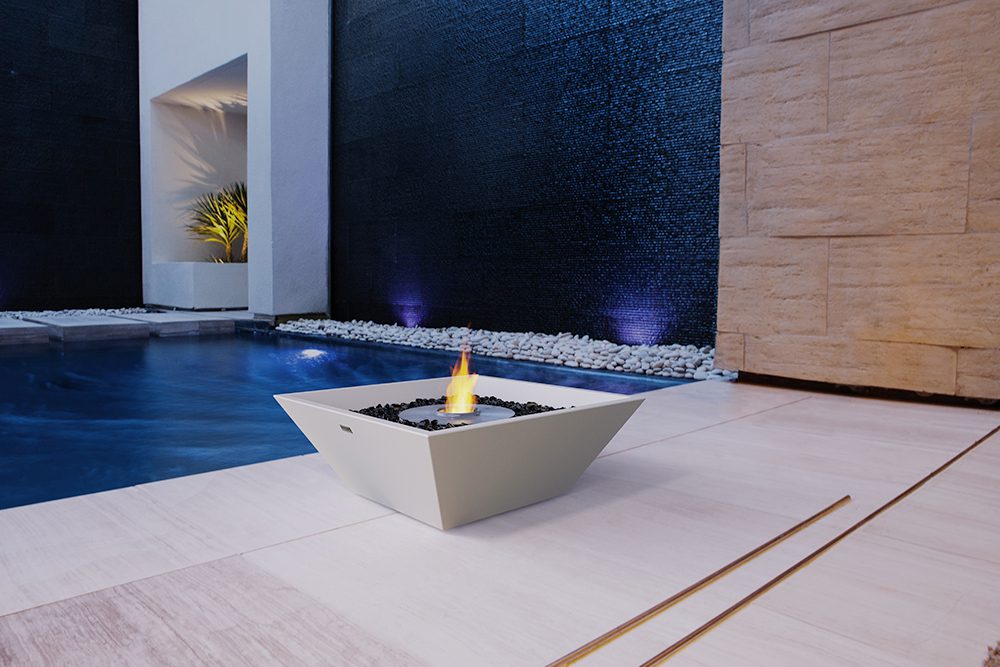
Knowing Your Options When Choosing Fire Pit FuelThe three most common options for fire pit fuel are propane, natural gas, and ethanol (bioethanol). Choosing the right one depends on factors, such as heat output, installation requirements, portability, operating costs, and design preference. Each fuel type offers different advantages. Propane provides portability and strong heat, natural gas offers consistent performance and convenient permanent installation, while ethanol is suited to compact fire features and decorative applications.
|
Key Takeaways:
|
Propane Fire Pits
Propane fire pits use liquid propane (LP), typically supplied in portable tanks. Because they do not require a permanent gas connection, propane fire pits can be installed in a variety of outdoor spaces and are relatively easy to relocate.
The advantages of propane fuel is that it is portable and flexible, does not require a permanent gas line, has a simple installation, offers a strong heat output and has a wide range of design options.
However, there are factors to consider with propane. Propane tanks require periodic replacement or refilling and can be higher in cost per unit than natural gas. Temperatures affect the performance of propane, which is greatly affected by very cold temperatures, especially when the propane tank pressure drops.
Propane is a practical choice for patios where portability and installation flexibility are important.
Natural Gas Fire Pits
Natural gas fire pits connect to a home’s existing natural gas supply. Once professionally installed, they provide a continuous fuel source without the need for portable tanks.
Natural Gas Advantages:
- Continuous fuel supply and heat output with not tanks to store or refill / replace
- Convenient for permanent outdoor installations
- Well suited for built-in fire pits and outdoor living areas
Even though natural gas can be more expensive as a one-time installation, it is a permanent and reliable source of permanent fuel for an established homesite.
Natural gas is generally suited to permanent patios, outdoor kitchens, and built-in fire pit installations where a gas line is already available or can be installed.
Ethanol Fire Pits
Ethanol, or bioethanol, fire pits use liquid fuel rather than a gas connection. Many ethanol fire pits are compact and designed for tabletop or decorative use.
Ethanol fuels boasts an ease of use because no gas line or propane tank are required, and there are multiple compact installation options available.
Other Advantages of Ethanol Fuel:
- It is a clean-burning fuel that generally does not produce smoke or soot
- It is suitable for many modern and minimalist designs
- It often does not require a chimney or traditional venting system
Factors to Consider with Ethanol Fuel:
- Generally produces significantly less heat than propane or natural gas fire pits
- Fuel must be stored and replenished
- Operating costs can be higher depending on fuel consumption
- Requires careful handling and safe refueling practices
- Ethanol fire pits are particularly suited to creating ambiance rather than heating a large outdoor area.
Installation and Maintenance
Installation requirements vary significantly by fuel type.
Propane: Propane fire pits generally require connecting the appliance to a compatible propane tank and checking all connections for leaks. Always follow the manufacturer’s installation instructions and local safety requirements.
Natural Gas: Natural gas fire pits require a properly sized gas connection and should be installed according to local building and fuel-gas codes. Professional installation is recommended when connecting a fire pit to a home’s gas supply.
Ethanol: Ethanol fire pits typically require minimal installation, but safe fuel handling is essential. The unit should be completely extinguished and allowed to cool before refueling. Always follow the manufacturer’s instructions and applicable safety guidance.
Seasonal Performance
Outdoor conditions can affect fire pit performance throughout the year.
Propane and natural gas fire pits generally provide the heat output needed for cool-weather outdoor use. Natural gas offers a continuous supply, while propane provides greater flexibility for locations without a permanent gas connection.
Very cold temperatures can reduce propane tank pressure and affect performance. Natural gas systems are not subject to the same portable-tank pressure issue.
Ethanol fire pits are more sensitive to environmental conditions and generally provide less heat, making them better suited to mild-weather use and decorative applications.
Fire Pit Design and Appearance
Fuel choice can also influence fire pit design.
- Propane fire pits are available in portable and built-in configurations, including fire tables, bowls, and concrete-style designs. Many models incorporate hidden propane tanks for a cleaner appearance.
- Natural gas fire pits are particularly suitable for permanent installations and custom outdoor living spaces. They can be incorporated into stone, concrete, or other built-in structures.
- Ethanol fire pits often feature compact, minimalist designs with glass surrounds and exposed flames. Their lack of a gas connection provides greater flexibility for certain tabletop and freestanding applications.
Fire media such as lava rock, fire glass, and ceramic logs can also be used with many propane and natural gas fire pits, depending on the burner and manufacturer’s specifications.
Overview
The best fire pit fuel depends on how the fire pit will be used.
Choose propane when portability, installation flexibility, and strong heat output are priorities.
Choose natural gas when a permanent installation, continuous fuel supply, and consistent performance are more important.
Choose ethanol when the primary goal is ambiance, a compact design, and a fire feature that does not require a gas connection.
Understanding the differences between propane, natural gas, and ethanol fire pits makes it easier to select a fuel type that matches the space, desired heat output, installation requirements, and overall outdoor living design.
Click Here for the Source of the Information.



