

New Orleans: (504) 482-7143 | Mandeville: (985) 893-2400
Foster-Taylor Fireplaces
  • Link to Facebook
  • Link to X
  • Link to Instagram
  • Link to Pinterest
  • Link to Tumblr
  • Home
  • Manufacturers
  • Products
    • FIREPLACES
      • Woodburning
      • Gas
        • Vent-Free
        • B-Vent
        • Direct-Vent
      • Electric
      • Outdoor Products
      • Ethanol
      • Isokern Fireplace Systems
      • All Masonry Fireplaces
    • GAS LOGS & ALTERNATIVES
      • Vented
      • Vent Free
      • Alternatives
    • CAST STONE MANTELS
  • About Us
    • Our History
    • Services
    • Our Team
  • Locations
    • Northshore Showroom
    • Southshore Showroom
  • Galleries
    • FIREPLACES
      • Woodburning Fireplaces
      • Gas Fireplaces
        • Vent-Free Fireplaces
        • B-Vent Fireplaces
        • Direct-Vent Fireplaces
      • Electric Fireplaces
      • Outdoor Fireplaces
      • Ethanol Fireplaces
      • Isokern Fireplaces
    • GAS LOGS & ALTERNATIVES
      • Vented Logs
      • Vent-Free Logs
      • Gas Log Alternatives
    • CAST STONE MANTELS
      • Siteworks Chateau
      • Siteworks Estate
      • Siteworks Villa
  • Get a Quote
  • Click to open the search input field Click to open the search input field Search
  • Menu Menu
  • Home
  • Manufacturers
  • Products
    • FIREPLACES
      • Woodburning
      • Gas
        • Vent-Free
        • B-Vent
        • Direct-Vent
      • Electric
      • Outdoor Products
      • Ethanol
      • Isokern Fireplace Systems
      • All Masonry Fireplaces
    • GAS LOGS & ALTERNATIVES
      • Vented
      • Vent Free
      • Alternatives
    • CAST STONE MANTELS
  • About Us
    • Our History
    • Services
    • Our Team
  • Locations
    • Northshore Showroom
    • Southshore Showroom
  • Galleries
    • FIREPLACES
      • Woodburning Fireplaces
      • Gas Fireplaces
        • Vent-Free Fireplaces
        • B-Vent Fireplaces
        • Direct-Vent Fireplaces
      • Electric Fireplaces
      • Outdoor Fireplaces
      • Ethanol Fireplaces
      • Isokern Fireplaces
    • GAS LOGS & ALTERNATIVES
      • Vented Logs
      • Vent-Free Logs
      • Gas Log Alternatives
    • CAST STONE MANTELS
      • Siteworks Chateau
      • Siteworks Estate
      • Siteworks Villa
  • Get a Quote

Tag Archive for: ethanol fire pit

Foster-Taylor Blog

Choosing the Best Fire Pit Fuel: Propane, Natural Gas or Ethanol

Consider propane, natural gas, and ethanol fire pits by heat output, installation, portability, cost considerations, and design to find the best fire pit fuel.


Knowing Your Options When Choosing Fire Pit Fuel

The three most common options for fire pit fuel are propane, natural gas, and ethanol (bioethanol). Choosing the right one depends on factors, such as heat output, installation requirements, portability, operating costs, and design preference.

Each fuel type offers different advantages. Propane provides portability and strong heat, natural gas offers consistent performance and convenient permanent installation, while ethanol is suited to compact fire features and decorative applications.


Key Takeaways:

  • Propane: A flexible option that offers strong heat output without requiring a permanent gas line.
  • Natural gas: Well suited to permanent installations and provides a continuous fuel supply without portable tanks.
  • Ethanol: A compact, clean-burning option primarily suited to ambiance rather than large-scale outdoor heating.
  • Heat output: Propane and natural gas generally provide substantially more heat than ethanol fire pits.
  • Installation: Propane typically requires less infrastructure, while natural gas requires a properly installed gas connection.
  • Portability: Propane and ethanol offer greater flexibility for locations where a permanent natural gas connection is not practical.
  • Design: All three fuel types are available in different styles, but natural gas is particularly suited to permanent built-in fire pit designs.

Propane Fire Pits

Propane fire pits use liquid propane (LP), typically supplied in portable tanks. Because they do not require a permanent gas connection, propane fire pits can be installed in a variety of outdoor spaces and are relatively easy to relocate.

The advantages of propane fuel is that it is portable and flexible, does not require a permanent gas line, has a simple installation, offers a strong heat output and has a wide range of design options.

However, there are factors to consider with propane. Propane tanks require periodic replacement or refilling and can be higher in cost per unit than natural gas. Temperatures affect the performance of propane, which is greatly affected by very cold temperatures, especially when the propane tank pressure drops.

Propane is a practical choice for patios where portability and installation flexibility are important.

Natural Gas Fire Pits

Natural gas fire pits connect to a home’s existing natural gas supply. Once professionally installed, they provide a continuous fuel source without the need for portable tanks.

Natural Gas Advantages:

  • Continuous fuel supply and heat output with not tanks to store or refill / replace
  • Convenient for permanent outdoor installations
  • Well suited for built-in fire pits and outdoor living areas

Even though natural gas can be more expensive as a one-time installation, it is a permanent and reliable source of permanent fuel for an established homesite.

Natural gas is generally suited to permanent patios, outdoor kitchens, and built-in fire pit installations where a gas line is already available or can be installed.

Ethanol Fire Pits

Ethanol, or bioethanol, fire pits use liquid fuel rather than a gas connection. Many ethanol fire pits are compact and designed for tabletop or decorative use.

Ethanol fuels boasts an ease of use because no gas line or propane tank are required, and there are multiple compact installation options available.

Other Advantages of Ethanol Fuel:

  • It is a clean-burning fuel that generally does not produce smoke or soot
  • It is suitable for many modern and minimalist designs
  • It often does not require a chimney or traditional venting system

Factors to Consider with Ethanol Fuel:

  • Generally produces significantly less heat than propane or natural gas fire pits
  • Fuel must be stored and replenished
  • Operating costs can be higher depending on fuel consumption
  • Requires careful handling and safe refueling practices
  • Ethanol fire pits are particularly suited to creating ambiance rather than heating a large outdoor area.

Installation and Maintenance

Installation requirements vary significantly by fuel type.

Propane: Propane fire pits generally require connecting the appliance to a compatible propane tank and checking all connections for leaks. Always follow the manufacturer’s installation instructions and local safety requirements.

Natural Gas: Natural gas fire pits require a properly sized gas connection and should be installed according to local building and fuel-gas codes. Professional installation is recommended when connecting a fire pit to a home’s gas supply.

Ethanol: Ethanol fire pits typically require minimal installation, but safe fuel handling is essential. The unit should be completely extinguished and allowed to cool before refueling. Always follow the manufacturer’s instructions and applicable safety guidance.

Seasonal Performance

Outdoor conditions can affect fire pit performance throughout the year.

Propane and natural gas fire pits generally provide the heat output needed for cool-weather outdoor use. Natural gas offers a continuous supply, while propane provides greater flexibility for locations without a permanent gas connection.

Very cold temperatures can reduce propane tank pressure and affect performance. Natural gas systems are not subject to the same portable-tank pressure issue.

Ethanol fire pits are more sensitive to environmental conditions and generally provide less heat, making them better suited to mild-weather use and decorative applications.

Fire Pit Design and Appearance

Fuel choice can also influence fire pit design.

  • Propane fire pits are available in portable and built-in configurations, including fire tables, bowls, and concrete-style designs. Many models incorporate hidden propane tanks for a cleaner appearance.
  • Natural gas fire pits are particularly suitable for permanent installations and custom outdoor living spaces. They can be incorporated into stone, concrete, or other built-in structures.
  • Ethanol fire pits often feature compact, minimalist designs with glass surrounds and exposed flames. Their lack of a gas connection provides greater flexibility for certain tabletop and freestanding applications.

Fire media such as lava rock, fire glass, and ceramic logs can also be used with many propane and natural gas fire pits, depending on the burner and manufacturer’s specifications.

Overview

The best fire pit fuel depends on how the fire pit will be used.

Choose propane when portability, installation flexibility, and strong heat output are priorities.

Choose natural gas when a permanent installation, continuous fuel supply, and consistent performance are more important.

Choose ethanol when the primary goal is ambiance, a compact design, and a fire feature that does not require a gas connection.

Understanding the differences between propane, natural gas, and ethanol fire pits makes it easier to select a fuel type that matches the space, desired heat output, installation requirements, and overall outdoor living design.


Click Here for the Source of the Information.


Ready For a Consultation?

This field is for validation purposes and should be left unchanged.
How Did Find Out About Foster-Taylor Fireplaces?(Required)
How Do You Prefer to Be Contacted?
By checking this box, you say that you do not wish to receive this information.
August 3, 2026
https://fostertaylor.com/wp-content/uploads/ECOSMART-Nova-600-Fire-Pit-Table-5.jpg 667 1000 admintaylor https://fostertaylor.com/wp-content/uploads/Foster-Taylor-Stacked-Logo-300x148.jpg admintaylor2026-08-03 01:09:362026-09-17 01:41:00Choosing the Best Fire Pit Fuel: Propane, Natural Gas or Ethanol
Local News

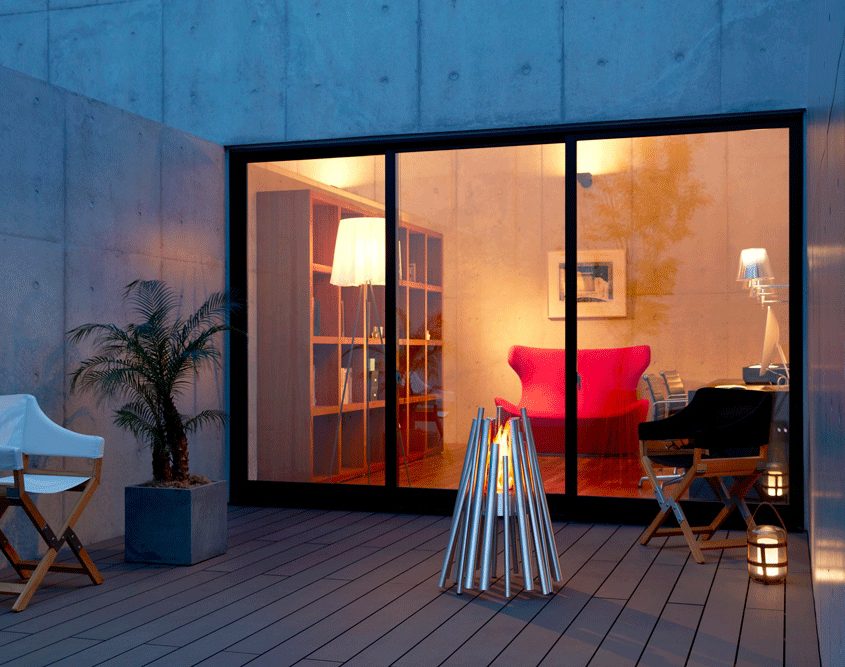
Bioethanol Fuel Fire Pits

Find out why bioethanol fuel is ideal for ventless fireplaces and ethanol fire pits with renewable fuel, cleaner combustion, and minimal maintenance.


Why Bioethanol Fuel Fire Pits Are a Cleaner Choice for Modern Outdoor Living

As more homeowners seek sustainable ways to enhance their outdoor living spaces, **bioethanol fuel** has become an increasingly popular alternative to traditional wood-burning and gas fire features. Designed to produce real flames with minimal environmental impact, **ethanol fire pits** offer a clean-burning, renewable fuel source that combines modern style with eco-conscious performance.

Whether you’re furnishing a backyard patio, rooftop terrace, balcony, or indoor living space, bioethanol fuel provides the ambiance of a real fire without the smoke, ash, or extensive maintenance associated with wood-burning fireplaces.

Keep reading to learn more about how bioethanol fuel works, its environmental benefits, expected heat output, and why it has become one of the leading choices for sustainable fire features.

Discover the benefits of bioethanol fuel for fire pits and fireplaces, including clean-burning performance, renewable energy, lower emissions, and easy installation.


Key Takeaways:

  • Bioethanol fuel is renewable, produced from plant-based materials such as corn and sugarcane, making it a more sustainable alternative to fossil fuels.
  • Ethanol fire pits burn cleanly, producing real flames with no visible smoke, ash, soot, or embers, resulting in easier maintenance and improved outdoor air quality compared to wood fires.
  • Ventless operation provides installation flexibility, allowing many ethanol fireplaces and fire pits to be used without a chimney or gas line where permitted by local regulations.
  • Bioethanol produces lower emissions than traditional wood-burning fires, helping reduce particulate pollution while supporting environmentally conscious outdoor living.
  • Most ethanol fire pits generate between 15,000 and 20,000 BTUs, making them ideal for ambiance and comfortable supplemental warmth rather than primary heating.
  • Using high-quality bioethanol fuel and following manufacturer guidelines helps maximize safety, efficiency, and long-term performance.

What Is Bioethanol Fuel?

Bioethanol fuel is a renewable liquid fuel produced by fermenting plant-based materials such as corn, sugarcane, and other agricultural crops. Because these plants naturally absorb carbon dioxide as they grow, bioethanol offers a more sustainable alternative to fossil fuels.

Bioethanol is specifically formulated for use in ethanol fireplaces and ethanol fire pits, where it burns cleanly inside a stainless steel burner. Unlike wood-burning fires, bioethanol produces real flames without creating visible smoke, soot, ash, or embers, eliminating the need for chimneys, vents, or flues in many installations.

This ventless design offers exceptional installation flexibility for both indoor and outdoor environments.

Environmental Benefits of Bioethanol Fuel

One of the greatest advantages of bioethanol fuel is its reduced environmental impact compared to traditional fire fuels.

Renewable Energy Source

Unlike fossil fuels, bioethanol is made from renewable plant materials that can be replenished through agricultural production. As these crops grow, they absorb carbon dioxide from the atmosphere, helping offset a portion of the emissions released during combustion.

When responsibly sourced, bioethanol contributes to a more sustainable fuel cycle than conventional petroleum-based fuels.

Lower Greenhouse Gas Emissions

Numerous life-cycle studies have shown that sustainably produced bioethanol can significantly reduce greenhouse gas emissions compared to gasoline and other fossil fuels. Actual reductions vary depending on crop selection, farming practices, transportation, and production methods, but responsibly manufactured bioethanol remains one of the cleaner-burning liquid fuels available.

Cleaner Air Quality

Bioethanol burns far more cleanly than wood, producing no visible smoke, ash, soot, or airborne embers. It also generates significantly fewer fine particulate emissions than wood-burning fire pits, helping improve air quality around outdoor living spaces.

While bioethanol combustion still produces carbon dioxide and small amounts of other combustion byproducts, these emissions are substantially lower than those associated with traditional wood fires.

Reduced Waste

Wood-burning fire pits create ash, charcoal residue, and partially burned logs that require cleanup after every use. Bioethanol burns efficiently, leaving virtually no solid waste behind and reducing ongoing maintenance.

Additionally, liquid bioethanol fuel does not leave oily residue in the event of a spill, making cleanup much simpler than petroleum-based fuels.

Why Choose an Ethanol Fire Pit?

Ethanol fire pits offer more than environmental benefits—they provide homeowners with exceptional flexibility and contemporary design.

Key advantages include:

* Real flames without visible smoke or ash
* Renewable, plant-based fuel source
* Ventless installation for many indoor and outdoor applications
* No chimney or gas line required
* Minimal maintenance and cleanup
* Modern, architectural fire feature designs
* Portable options for patios, balconies, and rooftop spaces

Because ethanol fire pits do not require permanent gas connections, they are often easier to install than traditional gas fire features.

Heat Output: What to Expect

Although ethanol fire pits produce beautiful flames, they are designed primarily for ambiance rather than whole-area heating.

Most ethanol burners generate between **15,000 and 20,000 BTUs**, while larger premium burners can produce up to approximately **28,000 BTUs**.

This level of heat creates a comfortable gathering space for family and guests, making ethanol fire pits ideal for mild evenings, covered patios, balconies, and intimate outdoor seating areas.

Compared to propane or natural gas fire pits, ethanol models generally produce less heat but offer greater installation flexibility and a significantly cleaner burn.

Maximizing Performance

To get the most from your ethanol fire pit, consider the following recommendations:

Choose the Right Burner Size

Larger burners create broader flames and distribute heat across a wider seating area. Select a burner that matches the size of your fire feature and outdoor space.

Protect the Flame from Wind

Installing a glass wind guard or placing your fire pit in a sheltered location helps maintain a steady flame while improving heat retention and fuel efficiency.

Use High-Quality Bioethanol Fuel

The quality of the fuel directly affects flame appearance, burn time, and emissions. Choosing premium bioethanol from reputable manufacturers helps ensure cleaner combustion, longer burn times, and more consistent performance.

Safe Indoor and Outdoor Use

One of the defining features of bioethanol fireplaces is their ventless operation. However, proper use remains essential.

Always follow the manufacturer’s operating instructions, use only approved bioethanol fuel, and ensure adequate ventilation when operating an ethanol fireplace indoors. Before installation, verify that local building codes and regulations permit ventless ethanol appliances in your area.

Following these guidelines helps maximize both safety and performance.

A Sustainable Choice for Modern Fire Features

Bioethanol fuel allows homeowners to enjoy the warmth and beauty of a real flame while reducing many of the environmental impacts associated with traditional wood-burning fires. Its renewable origins, lower emissions, smoke-free combustion, and minimal maintenance requirements make it an excellent choice for environmentally conscious homeowners.

Whether you’re designing a contemporary outdoor entertaining area, enhancing a rooftop terrace, or adding a ventless fireplace to your home, an ethanol fire pit offers a stylish, clean-burning solution that supports more sustainable outdoor living.


Click Here for the Source of the Information.

Ready For a Consultation?

This field is for validation purposes and should be left unchanged.
How Did Find Out About Foster-Taylor Fireplaces?(Required)
How Do You Prefer to Be Contacted?
By checking this box, you say that you do not wish to receive this information.
June 18, 2026
https://fostertaylor.com/wp-content/uploads/EcoSmart-Fire-Stix-Fire-Pit-6.jpg 667 1000 admintaylor https://fostertaylor.com/wp-content/uploads/Foster-Taylor-Stacked-Logo-300x148.jpg admintaylor2026-06-18 18:18:112026-07-21 20:28:22Bioethanol Fuel Fire Pits

Recent Posts

  • A Buyer’s Guide to Electric Fireplaces
  • Fireplace Mantel Stone: Natural vs. Cast Stone
  • Interesting Facts to Know About Fire Glass
  • Choosing the Best Fire Pit Fuel: Propane, Natural Gas or Ethanol
  • Gas, Electric, Ethanol or Wood Burning – Choosing Your Fireplace

Follow us on Facebook

Foster-Taylor Fireplaces Locations

We Have Two Locations in the Greater New Orleans Area!


Click to View Northshore Location.


Click to View Southshore Location.

Masonry Products Sales

Visit Our Sister Company

For Info About Masonry Products, Supplies & Accessories.

Office Hours & Info

Monday – Friday 7:00am – 4:30pm


New Orleans: (504) 482-7143

Mandeville: (985) 893-2400


[email protected]

© Copyright 2022 - Foster Taylor Fireplaces - Enfold Theme by Kriesi
  • Link to Facebook
  • Link to X
  • Link to Instagram
  • Link to Pinterest
  • Link to Tumblr
Scroll to top Scroll to top Scroll to top
