New Orleans: (504) 482-7143 | Mandeville: (985) 893-2400
Foster-Taylor Fireplaces
  • Link to Facebook
  • Link to X
  • Link to Instagram
  • Link to Pinterest
  • Link to Tumblr
  • Home
  • Manufacturers
  • Products
    • FIREPLACES
      • Woodburning
      • Gas
        • Vent-Free
        • B-Vent
        • Direct-Vent
      • Electric
      • Outdoor Products
      • Ethanol
      • Isokern Fireplace Systems
      • All Masonry Fireplaces
    • GAS LOGS & ALTERNATIVES
      • Vented
      • Vent Free
      • Alternatives
    • CAST STONE MANTELS
  • About Us
    • Our History
    • Services
    • Our Team
  • Locations
    • Northshore Showroom
    • Southshore Showroom
  • Galleries
    • FIREPLACES
      • Woodburning Fireplaces
      • Gas Fireplaces
        • Vent-Free Fireplaces
        • B-Vent Fireplaces
        • Direct-Vent Fireplaces
      • Electric Fireplaces
      • Outdoor Fireplaces
      • Ethanol Fireplaces
      • Isokern Fireplaces
    • GAS LOGS & ALTERNATIVES
      • Vented Logs
      • Vent-Free Logs
      • Gas Log Alternatives
    • CAST STONE MANTELS
      • Siteworks Chateau
      • Siteworks Estate
      • Siteworks Villa
  • Get a Quote
  • Click to open the search input field Click to open the search input field Search
  • Menu Menu
  • Home
  • Manufacturers
  • Products
    • FIREPLACES
      • Woodburning
      • Gas
        • Vent-Free
        • B-Vent
        • Direct-Vent
      • Electric
      • Outdoor Products
      • Ethanol
      • Isokern Fireplace Systems
      • All Masonry Fireplaces
    • GAS LOGS & ALTERNATIVES
      • Vented
      • Vent Free
      • Alternatives
    • CAST STONE MANTELS
  • About Us
    • Our History
    • Services
    • Our Team
  • Locations
    • Northshore Showroom
    • Southshore Showroom
  • Galleries
    • FIREPLACES
      • Woodburning Fireplaces
      • Gas Fireplaces
        • Vent-Free Fireplaces
        • B-Vent Fireplaces
        • Direct-Vent Fireplaces
      • Electric Fireplaces
      • Outdoor Fireplaces
      • Ethanol Fireplaces
      • Isokern Fireplaces
    • GAS LOGS & ALTERNATIVES
      • Vented Logs
      • Vent-Free Logs
      • Gas Log Alternatives
    • CAST STONE MANTELS
      • Siteworks Chateau
      • Siteworks Estate
      • Siteworks Villa
  • Get a Quote
Foster-Taylor Blog

Simple Stacking Techniques That Keep Firewood Dry, Safe, and Ready

If you heat with wood, or even just love the occasional backyard cook fire, how you stack your firewood matters more than most people think. A good stack isn’t just a neat pile of logs. It’s a system that helps wood dry faster, burn cleaner, stay off the ground, and remain stable through wind, rain, and repeated use. With the right setup and a method that fits your space, your woodpile can become both a practical tool and a tidy feature of your outdoor area.

Why stacking isn’t “just stacking”
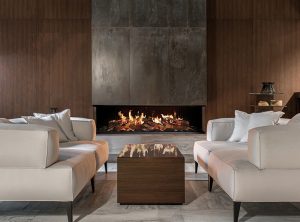
Firewood needs time to season (dry out) before it burns well. If it’s piled too tightly, water gets trapped. If it’s stacked on the ground, moisture wicks into the bottom rows. If it’s unstable, it can lean, collapse, or become dangerous, especially when kids or pets are nearby. The goal is simple: keep the wood elevated, encourage airflow, and make sure the pile can stand on its own.

Start with the right location

Where you place your woodpile can either help the seasoning process or sabotage it.

Choose a spot that:

  • Gets steady air movement (wind is your friend)
  • Receives sunlight for part of the day
  • Drains well after rain (avoid low, soggy areas)
  • Is convenient to reach in winter, but not pressed up against your home

Keeping firewood a bit away from the house also reduces unwanted visitors like insects and rodents and lowers fire risk.

Create a base that blocks ground moisture

Before the first log goes down, build a foundation. Elevating the stack prevents the bottom layer from soaking up dampness and rotting early.

Good base options include:

  • Pressure-treated boards or pallets
  • Cinder blocks with 2x4s across the top
  • A simple rack designed for firewood

Whatever you use, aim for a flat, sturdy surface that keeps wood a few inches off the soil.

Popular stacking styles—and what each one does best

Different methods work better depending on how much wood you store, how much space you have, and whether you want maximum drying speed or maximum stability.

1) The Straight-Row (American) Stack

This is the classic approach: split logs stacked in long rows, one layer at a time.

How it works:

  • Lay pieces in a straight line with the cut ends facing outward
  • Alternate the direction slightly across layers to “lock” the stack together
  • Keep rows consistent and avoid random bumps that create weak spots

Best for: beginners, stacking along a shed or fence, predictable piles
Watch for: long rows can slump if ends aren’t reinforced

2) The End-Pillar Stack

If you want a strong, tidy row that doesn’t bow out, this method adds support on both ends.

How it works:

  • Build two sturdy “towers” at the ends using similarly sized pieces
  • Alternate the direction of each layer in the end pillars
  • Fill the middle with split wood stacked tightly enough to stand but loose enough to breathe

Placing the cut ends toward the direction of the prevailing wind can speed drying.

Best for: taller stacks, long-term storage, stability
Watch for: sloppy end towers can weaken the whole structure

3) The Circular Stack (Norwegian / Holz Hausen)

This one looks impressive and stores a lot of wood in a compact footprint. It’s built in a ring and rises upward like a round shelter.

How it works:

  • Form a circle with split logs angled slightly inward
  • Build up in layers around the ring
  • Fill the center with wood as you go to support the walls and keep it from caving inward

Because air moves around the outside and up through gaps, it seasons surprisingly well.

Best for: large quantities in small spaces, faster drying, visual appeal
Watch for: if your circle drifts out of shape, it can become unstable

4) The Spiral Round Stack (Amish / Shaker Style)

This approach creates a round pile with a gentle spiral pattern, leaving helpful gaps for airflow.

How it works:

  • Arrange wood so one end touches and the other end fans outward
  • Continue in a spiral, allowing slightly larger openings as the stack grows
  • Keep the shape balanced as it rises

The rounded form sheds water better than a flat-topped rectangular pile, and the built-in spacing helps wood dry.

Best for: airflow, rain resistance, a clean “finished” look
Watch for: uneven spirals can tip as they get taller

5) The Beehive Stack (German / Holzmiete)

This method is designed to be compact and weather-smart, forming a mound that narrows toward the top.

How it works:

  • Build a circular base
  • Stack upward in a spiral, slowly tapering the pile as you go
  • Create a dome-like top that helps rain run off

It’s efficient, especially if you don’t have room for long rows.

Best for: tight spaces, shedding rain, neat storage
Watch for: if you taper too aggressively, the sides won’t support the load

Seasoning: the whole reason this matters

Dry wood burns hotter, lights easier, makes less creosote, and smokes less. Stacking correctly speeds up the seasoning process by exposing more surface area to moving air and sunlight. No matter which method you pick, your stack should never feel “sealed.” It should breathe.

Build for airflow

To keep wood drying instead of sweating:

  • Leave small gaps between pieces rather than packing them tight
  • Keep bark-side orientation consistent when possible (it helps with stability)
  • Avoid stacking directly against solid walls unless you can maintain airflow
  • Cover smart, not sealed

A common mistake is wrapping the entire pile in a tarp. That traps moisture and slows drying.

A better approach:

  • Cover only the top (metal roofing, wood cover, or a tarp secured above)
  • Leave the sides open so air can pass through
  • Safety and upkeep

A woodpile should be sturdy enough that you don’t worry about it shifting every time you pull a log.

To keep things safe:

Don’t stack higher than you can maintain confidently

Re-square leaning rows early (small tilts become collapses)

Use the oldest wood first and rotate stock forward through the season

Fix common problems early

  • Moisture staying trapped: loosen the stack, elevate it, and stop fully covering the sides
  • Pests moving in: store away from the house, keep the ground clear, and avoid stacking directly on soil
  • Unsteady piles: rebuild the ends (or switch to end pillars) and use more uniform pieces at key support points

A woodpile that works—and looks like you meant it

A well-built stack keeps your firewood dry, reduces waste, and makes your heating or cooking routine easier all winter. Pick a method that matches your space, commit to airflow and elevation, and stay consistent with upkeep. Do that, and you’ll end up with a woodpile that’s stable, efficient, and ready whenever you are.
Click Here For the Source of the Information.

December 21, 2025
https://fostertaylor.com/wp-content/uploads/Foster-Taylor-Stacked-Logo-300x148.jpg 0 0 jgravestayfos https://fostertaylor.com/wp-content/uploads/Foster-Taylor-Stacked-Logo-300x148.jpg jgravestayfos2025-12-21 11:01:012025-12-21 11:01:01Simple Stacking Techniques That Keep Firewood Dry, Safe, and Ready
Foster-Taylor Blog

Cozy Ambience, Instant Heat, and No Woodpile Required

Picture a winter evening where comfort is the whole point: soft pajamas, a good book, a warm drink, and the calming glow of “flames” dancing in the background—without hauling logs, striking matches, or cleaning ash. That’s the appeal of an electric fireplace. It’s essentially a plug-in heater designed to recreate the look of a traditional fireplace while adding quick, controllable warmth to a room.

Unlike wood- or gas-burning options, electric fireplaces don’t rely on combustion. Once the unit is in place, you typically just connect it to power and switch it on. Because there’s no real fire, there’s no need for venting, a chimney, or a flue, which opens up a lot of possibilities for where it can go. People install them in living rooms and bedrooms, of course, but they can also work in spaces where a conventional fireplace would be impractical—like apartments, condos, offices, and even certain bathrooms, as long as the model is rated for moisture-prone areas.

Most electric fireplaces fall into a few common categories. Some are freestanding units that include a mantel-style surround, giving you that “built-in hearth” look with minimal effort. Others are wall-mounted or designed to be built into a wall or furniture for a sleek, modern, custom feel. A third option is the insert style, which fits into an existing fireplace opening so an older hearth can look active again—often with glowing faux logs and adjustable flame effects.

The heat itself is typically produced by internal elements—often metal coils—paired with a fan that pushes warmed air back into the room. Some models use infrared technology that aims to warm objects and people more directly rather than relying only on moving hot air. The flame effect is usually created with LED lighting and reflective components that mimic flicker, movement, and depth. Higher-end units sometimes add sound features that imitate the gentle crackle of a real fire to reinforce the illusion.

It’s worth keeping expectations realistic. An electric fireplace isn’t a replacement for a full-home heating system, but it can be excellent for targeted comfort—warming the room you’re actually using instead of heating the entire house. Many units are often described around the neighborhood of 4,000 BTUs and are commonly marketed for spaces around 400 square feet, though real-world results depend on insulation, ceiling height, drafts, and how cold it is outside.

One underrated advantage is how efficiently the heat stays in the room. Traditional fireplaces can lose a significant portion of their heat up the chimney, which is why they sometimes feel more like “ambience” than practical heating. With electric models, the heat they generate is delivered directly into the space rather than vented outdoors, so you’re not paying to warm the outside air.

Operating cost is usually straightforward: you’re paying for electricity instead of wood or gas. A typical heater setting on many models is around 1,500 watts, and the hourly cost depends on your local electric rate. At moderate rates, that can land in the “pennies per hour” range, while flame-only mode (no heat) can cost even less since LEDs draw very little power. The bigger point is predictability: there’s no fuel to restock, and there are generally fewer ongoing maintenance expenses compared with vented fireplaces—no chimney cleaning, inspections, or soot-related upkeep.

Installation tends to be another reason people choose electric. Many units work with standard household outlets, and larger models may require a higher-voltage connection depending on design. The overall barrier to entry is often much lower than a gas line install or a full masonry build, and because there are no emissions, they can be used in places where traditional fireplaces are restricted.

Then there’s the mess factor—or, more accurately, the lack of it. Because there’s no combustion, there’s no ash, smoke residue, soot, or stray wood debris. You still get the visual effect of flame and the comfort of warmth, but you avoid the cleanup routine that often comes with wood-burning fireplaces.

Safety is another major selling point. Electric fireplaces produce no smoke and no carbon monoxide, which removes a whole class of risks tied to ventilation problems or incomplete combustion. That said, they’re still heaters, so basic precautions matter: keep flammable items away from the heat output, follow the manufacturer’s clearance guidelines, and choose a model designed for the specific location if you’re installing it in a damp environment.

Finally, electric fireplaces have become surprisingly flexible in terms of design. Some lean classic with mantel surrounds, while others are intentionally modern—long, linear flame strips that look like they belong in a contemporary build. Many allow you to customize what you see inside the firebox, swapping between log sets, stones, glass, or rock styles that resemble coal. Flame colors and brightness are often adjustable too, which lets you match the “fire” to the mood—whether you want something traditional and amber-toned or a more dramatic, modern look.

In the end, an electric fireplace is less about replacing tradition and more about making comfort easy. If you want fast warmth, visual ambience, low mess, and flexible placement, it’s one of the simplest ways to bring that “cozy by the fire” feeling into your home—without turning it into a project every time you want the room to feel inviting.

Click Here For the Source of the Information.

December 5, 2025
https://fostertaylor.com/wp-content/uploads/Foster-Taylor-Stacked-Logo-300x148.jpg 0 0 jgravestayfos https://fostertaylor.com/wp-content/uploads/Foster-Taylor-Stacked-Logo-300x148.jpg jgravestayfos2025-12-05 11:15:312025-12-21 11:20:54Cozy Ambience, Instant Heat, and No Woodpile Required
Foster-Taylor Blog

Why Electric Fireplaces Are Taking Over

Picture this: you’re in your favorite pajamas, tucked into a soft chair with a good book and a warm drink, watching flames dance in a fireplace that you never had to build, stoke, or clean up after. No logs to haul, no ashes to sweep, no chimney to worry about—just instant warmth and ambiance from a wall outlet. That’s the appeal of an electric fireplace, and it’s a big part of why they’ve gone from niche gadgets to mainstream home features.

At their core, electric fireplaces are space heaters with style. Instead of burning wood, coal, or gas, they use electrical components to create both heat and the illusion of flames. Once installed, most models are as simple as plugging into a standard electrical outlet and pressing a button or flipping a switch. There’s no venting to run, no gas line to hook up, and no need for professional installation in many cases. That flexibility means you can have a “fireplace” in places you’d never put a traditional one—like a small bedroom, bathroom, kitchen, condo, or even an RV.

Design-wise, you’ll see three main categories. There are freestanding units with mantels that look like classic fireplaces; sleek, modern models that recess into or hang on a wall; and inserts designed to slide into an existing, unused hearth. Those inserts often come with sculpted logs, glowing embers, and multiple flame styles powered by LED lights. Many units use a refractor to bend and scatter the LEDs, creating a surprisingly convincing flicker. Some even add gentle crackling sound effects so you get the full fireplace vibe without the smoke.

The way they produce heat is straightforward but effective. Most electric fireplaces rely on metal heating coils and a fan. The coils warm up, the fan pushes air across them, and that warm air circulates into the room. Others use infrared technology to heat objects and people directly, similar to the sun’s warmth on your skin. While they’re not meant to replace a whole-home furnace, they’re excellent for zone heating—think a 400-square-foot living room, office, or primary bedroom. With an average output around 4,000 BTUs, they can take the chill out of a space quickly, and unlike traditional wood-burning fireplaces, none of that heat disappears up a chimney. All of it stays in the room.

Cost is another big reason electric fireplaces are gaining fans. Because they run on electricity alone, there’s no ongoing bill for gas or delivery of firewood, and no chimney cleaning or inspection appointments. A typical model draws around 1,500 watts when producing heat, which works out to roughly 8 or 9 cents per hour in many areas, depending on local utility rates. If you’re using “flame only” mode with no heat—just for the look—the cost drops to a fraction of a cent in many cases. For most households, that adds up to somewhere in the neighborhood of $50 to $100 per year, depending on how often the unit runs and whether it’s mainly for ambiance or actual warmth.

Then there’s the mess—or rather, the lack of it. Because electric fireplaces don’t burn anything, they don’t create soot, ash, or creosote. You don’t need log baskets, ash buckets, or fireplace tools. The flames are illusions created by LEDs and light reflectors, so when you’re done using it, you simply turn it off. No smoldering embers, no smoke, no lingering smell. It’s “instant fireplace” on demand, and when you walk away, there’s nothing to clean up.

Safety is another major advantage. Without real combustion, there are no emissions—no carbon monoxide, no smoke, no fine particles floating into your living space. That makes electric fireplaces a solid option for people with respiratory sensitivities, pets, or small children. The heat is contained within the unit, and many models stay relatively cool to the touch on the exterior while they’re running. As with any electrical appliance, you still need to follow the manufacturer’s guidelines, but you don’t have to worry about stray sparks, chimney fires, or open flames. Some models are even rated for use in moisture-prone areas, so you can safely install them in a bathroom if they’re specifically approved for that environment.

Electric fireplaces also shine when it comes to style and customization. Whether your home leans farmhouse, classic, minimalist, or ultra-modern, there’s a design to match. You can choose a traditional mantel that looks like it’s been there for decades, or a slim unit that spans an entire wall under a TV. Many models now come with interchangeable media options: faux logs that mimic charred wood, driftwood-style pieces for a coastal feel, black “coal” rocks, smooth river stones, or bright white stones that glow under the light. Flame colors are customizable too on many units, allowing you to switch from classic orange and red to blue, pink, or multi-color effects with the tap of a remote.

All of this modern polish has surprisingly deep roots. Electric fireplaces first showed up in American theaters as early as 1912, where they were used to heat and light stages. It wasn’t until the midcentury modern boom of the 1950s and ’60s that they started to appear in homes, and even then, the flame effects were fairly crude. The realistic, layered LED flames and ember beds we’re used to today didn’t arrive until the 1980s and 1990s—and they’ve only gotten more convincing since.

In the end, electric fireplaces offer a compelling mix of practicality and charm: quick, focused heat; low operating costs; no mess; and a surprising amount of design flexibility. If you’ve ever wanted the glow and comfort of a fireplace without the construction, venting, or upkeep that comes with a traditional one, an electric model might be the most effortless way to bring that cozy, fireside feeling into your home.

Click Here For the Source of the Information.

November 19, 2025
https://fostertaylor.com/wp-content/uploads/Foster-Taylor-Stacked-Logo-300x148.jpg 0 0 jgravestayfos https://fostertaylor.com/wp-content/uploads/Foster-Taylor-Stacked-Logo-300x148.jpg jgravestayfos2025-11-19 16:22:242025-11-19 16:23:08Why Electric Fireplaces Are Taking Over
Foster-Taylor Blog

A Homeowner’s Guide to Building a Fire Pit

There’s something timeless about gathering around a fire. Early humans depended on it for survival; today, many of us simply enjoy the comfort and connection it brings. If you love the snap and glow of a real flame, a backyard fire pit can turn your garden or patio into an evening destination, giving guests something to enjoy beyond the usual small talk and bug spray. Modern fire pits can resemble shimmering pools of flame, double as grills, and range from rustic to ultra-modern in style. No matter the look, they all share one key trait: the power to transform an ordinary outdoor space into a warm, inviting “room” under the open sky.


Building a fire pit as a do-it-yourself project does take some effort. You’ll be working with heavy materials like brick, stone, or concrete, and basic masonry skills are a big plus. But with some planning, patience, and respect for fire safety, the payoff is huge—long summer nights, crisp autumn afternoons, and a place the whole family can gather to roast marshmallows and make s’mores.


Choosing a Design: Shape, Style, and Safety


At its core, a fire pit is simply a controlled ring or basin where you can safely burn wood or operate a gas-fueled flame. Whether you burn logs, use gas logs, or another fuel source, safety always comes first. That’s why fire pits are built from heat-resistant materials such as stone, brick, ceramic, or metal, and why location matters as much as design.


Before you get creative, choose a level area that is well away from anything that could ignite. As a rule of thumb, keep your fire pit at least 10 feet from trees, shrubs, fences, sheds, and your home. If your yard is small and clearances are tight, it may be wiser to consider a different feature, like a fountain or pond, rather than squeezing in a fire pit that could pose a hazard.


Once you’ve identified a safe spot, you can start thinking about shape and style. Fire pits tend to fall into a few common layouts, but there’s room to go as simple or as imaginative as you like.


A round fire pit is the classic choice. Much like sitting around a round dining table, everyone faces the center, which naturally encourages conversation. This shape works especially well for gatherings and lends itself to dramatic ready-made bowls or basins you can set into a masonry surround.


Square fire pits introduce a more structured, formal feel. They tend to take up a bit more room and can appear bulky in tight spaces, but in a larger garden they complement straight lines and geometric layouts, and can even contribute to a Zen or modern aesthetic.


Rectangular fire pits are ideal if you expect a crowd or want a long, linear flame feature parallel to a bench, retaining wall, or patio edge. They can visually stretch a narrow patio, draw the eye along a pool or pond, and create a strong focal line in the landscape.


If you prefer to break the mold, you can repurpose unusual objects as the basis for a fire feature. Old metal wash tubs, tractor tire rims, and even washing machine drums have been converted into striking, character-filled fire pits, so long as they are used safely and lined or set up properly. For those who want to go big, an outdoor fireplace takes the concept vertically, adding a chimney, mantel, and more architectural presence than a simple pit.


Materials: Stone, Brick, and Faux Stone Solutions


Before you pick up a shovel or buy your first brick, check with your local government or fire department to see whether you need a permit. In some regions, especially those prone to drought or wildfires, outdoor burning—even in a contained pit—may be restricted or temporarily banned. There may also be rules about size, placement, and construction methods that you’re required to follow.


Once you know you’re allowed to build, you can focus on the materials. The main goal is to construct a solid, heat-resistant wall that contains both the fire and its heat while shielding the flames from the wind. Natural stone is a beautiful choice and gives your fire pit a custom, hand-crafted look. However, working with irregular rocks can be demanding. No two pieces are alike, so you’ll need to spend time sorting, fitting, and occasionally reshaping them with a chipping hammer to get stable, attractive courses. Creating “filler” stones to close gaps and maintain a smooth interior curve takes patience and practice.


Brick is more uniform and generally easier for beginners to handle, especially if you choose fire-rated brick for the inner lining. The consistent shape helps you maintain even courses and a clean, structured appearance. Still, you’ll want to learn basic masonry techniques—mixing and applying mortar, leveling as you go, and staggering joints—for a safe, long-lasting result.


A popular middle ground is molded concrete block designed to look like stone. These faux stone blocks typically have flat top and bottom surfaces, and many include interlocking features that help them stack securely. They’re easier to shape into circles and curves than natural stone, quicker to install, and often less expensive. With different sizes and textures available, you can achieve a convincing stone look with fewer headaches.


No matter which outer material you choose, don’t assume a thick wall alone is enough to withstand constant high heat. Prolonged exposure to intense temperatures can cause some materials to crack or deteriorate more quickly. To protect your investment, line the inside of the pit with a metal fire ring or a course of fire brick. These liners are designed to handle extreme heat and help extend the life of the surrounding masonry.


And because fire always carries risk, it’s wise to keep safety gear nearby. A dry-chemical fire extinguisher rated for class B and C fires—or a multipurpose unit—should be mounted in an accessible, sheltered spot close to your fire pit so you can react quickly if something goes wrong.


Outfitting Your Fire Pit: Tools, Cooking Gear, and Covers


Once the masonry has cured and your new fire pit is ready, the fun really starts. Building a good fire and enjoying it safely is much easier when you have the right accessories on hand.


Inside the pit, a metal grate can hold the logs slightly off the floor, promoting better airflow and more efficient burning. If you plan to cook over the flames, consider adding a cooking grid or grill surface. These gridded shelves often sit above the fire and may be fixed or adjustable, letting you control how close your food gets to the heat. If you don’t intend to use the pit for cooking, you can skip this add-on.


Storing firewood neatly and keeping it dry is another piece of the puzzle. Log racks—ranging from simple stands to decorative metal frames and cabinets—keep wood off the ground and within easy reach. Some come with their own covers to shield logs from rain and dew.


Managing the fire itself calls for a few specialized tools. Long-handled log grabbers or tongs allow you to shift burning wood without getting dangerously close. Thick, heat-resistant hearth gloves that cover your wrists and part of your forearms protect against accidental contact with hot metal, sparks, or embers while you tend the flames.


Because your fire pit lives outdoors, a weather-resistant cover is a smart investment. Heavy-duty polyester or vinyl covers help keep rain, leaves, and debris out of the bowl or interior, reducing cleanup and prolonging the life of metal components. Standard round pits are easy to fit with off-the-shelf covers; custom-built shapes may require a DIY solution or a custom order.


If your fire pit is portable and sits on a deck or patio, a heat-resistant pad beneath it can protect the surface from scorching, stray embers, and accumulating ash. For added safety, mesh screens or domed spark guards designed for standard pits can help contain sparks while still letting you enjoy the fire’s glow.


Gas-fueled fire pits come with their own set of accessories. Ceramic gas logs, lava rock, and fire glass help retain and radiate heat while mimicking the look of real embers. They also shape and diffuse the flame pattern, turning a simple burner into a more natural-looking bed of fire.


Bringing It All Together


A backyard fire pit is more than a weekend project; it’s a long-term invitation to slow down, gather with people you care about, and enjoy your outdoor space well into the evening and well into the cooler months. The planning, hauling, and stacking may take a couple of weekends, especially if you’re new to masonry, but the rewards last for years.


With thoughtful placement, sound materials, and the right accessories, your fire pit becomes the heart of an outdoor room—a place for stories, quiet reflection, and sticky-fingered s’mores. Add a few chairs, a stack of blankets, and a bag of marshmallows, and you’ll have everything you need to turn an ordinary night in the backyard into something memorable.

Click Here For the Source of the Information.

November 6, 2025
https://fostertaylor.com/wp-content/uploads/Foster-Taylor-Stacked-Logo-300x148.jpg 0 0 jgravestayfos https://fostertaylor.com/wp-content/uploads/Foster-Taylor-Stacked-Logo-300x148.jpg jgravestayfos2025-11-06 16:36:242025-11-19 16:41:12A Homeowner’s Guide to Building a Fire Pit
Foster-Taylor Blog

Light as Air, Strong as Stone – The Quiet Genius of Pumice

Pumice begins its life in fire. As foaming lava cools, it traps countless tiny bubbles, creating a stone that’s unusually light, highly insulating, naturally absorbent, and remarkably durable. That rare mix of traits explains why this volcanic material shows up everywhere—from modern builds and energy-efficient hearths to patio planters and windowsill succulents.

Because pumice is formed by nature and harvested from volcanic deposits around the world, it’s a resource that’s both abundant and inherently sustainable. It doesn’t need chemical processing to perform, and its longevity is measured in centuries. When a project changes course, pumice can often be reused or recycled, extending its life even further and lowering waste.

Gardeners prize pumice for how it transforms soil. Mixed into potting blends, those microscopic pores act like permanent airways, keeping media from compacting so roots can breathe and expand. The stone’s sponge-like structure helps smooth out watering mistakes by soaking up excess moisture yet holding reserve water that can carry plants through a dry spell. Many growers see a noticeable difference by folding in about ten percent pumice by volume; products such as Earthcore Industries’ Pure Icelandic Potting Pumice make it easy to dose and blend with consistency.

A simple top-dressing can be just as effective. Scattering a layer of pumice across the surface of houseplant soil discourages fungus gnats by creating a dry, inhospitable crust while still allowing air exchange. Outdoors, that same layer helps absorb puddling around stems after a heavy rain, reducing rot and splash-borne disease without sealing the soil.

Builders lean on pumice for a different reason: strength without the weight penalty. When combined with cement, pumice aggregate produces lighter blocks and panels that are easier to handle yet maintain structural integrity. The closed-cell texture also boosts thermal performance, helping walls retain comfort and reduce energy loss. Those insulating and refractory qualities are the same ones that make pumice a natural fit in high-efficiency hearth systems.

Earthcore Industries has spent more than three decades refining how to harness this material in its Isokern fireplaces and chimneys, an innovation lineage that traces back to an 80-year-old Danish technology. The core of the system is Earthcore’s proprietary pumice blend sourced from Iceland’s Mount Hekla, a deposit famed for its purity. The northern latitude and geologic setting yield pumice with minimal contaminants and organic erosion, producing components that are consistent, clean, and exceptionally heat resistant.

In practice, that means Isokern units deliver the trifecta homeowners and designers look for: safety, efficiency, and value. The pumice modules help keep outer framing cool, improve draft and combustion, and stand up to thermal cycling season after season. Whether installed in a custom new build or added during a renovation, the result is a fireplace that performs beautifully while quietly conserving energy.

From garden beds to great rooms, pumice earns its keep by doing several jobs at once—lightening loads, moderating moisture, buffering heat, and lasting for the long haul. It’s an ancient material with modern versatility, and a smart addition wherever you want performance without compromise.

Click Here For the Source of the Information.

October 28, 2025
https://fostertaylor.com/wp-content/uploads/Foster-Taylor-Stacked-Logo-300x148.jpg 0 0 jgravestayfos https://fostertaylor.com/wp-content/uploads/Foster-Taylor-Stacked-Logo-300x148.jpg jgravestayfos2025-10-28 19:08:362025-10-28 19:08:36Light as Air, Strong as Stone – The Quiet Genius of Pumice
Page 3 of 17‹12345›»

Recent Posts

  • Audubon Nature Institute Plans New Orleans Riverfront Development
  • How to Clean White Fireplace Brick and Keep It Looking Bright
  • Electric Fireplaces in Real Estate Increase Value
  • Commercial Fireplace Design Includes Business Installations
  • Gas Fireplace Venting Options Without a Chimney

Follow us on Facebook

Foster-Taylor Fireplaces Locations

We Have Two Locations in the Greater New Orleans Area!


Click to View Northshore Location.


Click to View Southshore Location.

Latest Projects

  • GAS VENT-FREE | MONESSEN | Artisan See ThruMay 29, 2026 - 1:45 pm
  • GAS VENT-FREE | MONESSEN | ArtisanMay 29, 2026 - 1:32 pm
  • GAS B-VENT | HEATILATOR REVEALMay 29, 2026 - 1:00 pm

Masonry Products Sales

Visit Our Sister Company

For Info About Masonry Products, Supplies & Accessories.

Office Hours & Info

Monday – Friday 7:00am – 4:30pm


New Orleans: (504) 482-7143

Mandeville: (985) 893-2400


[email protected]

© Copyright 2022 - Foster Taylor Fireplaces - Enfold Theme by Kriesi
  • Link to Facebook
  • Link to X
  • Link to Instagram
  • Link to Pinterest
  • Link to Tumblr
Scroll to top Scroll to top Scroll to top